
Most people assume a water feature serves one purpose: to look good for the onlooker. That assumption leads to real problems. Ponds without active water movement become stagnant, oxygen-starved environments where algae thrives and fish struggle. The visual appeal is just one layer of what these systems deliver, and understanding the full picture changes how you approach any pond setup.
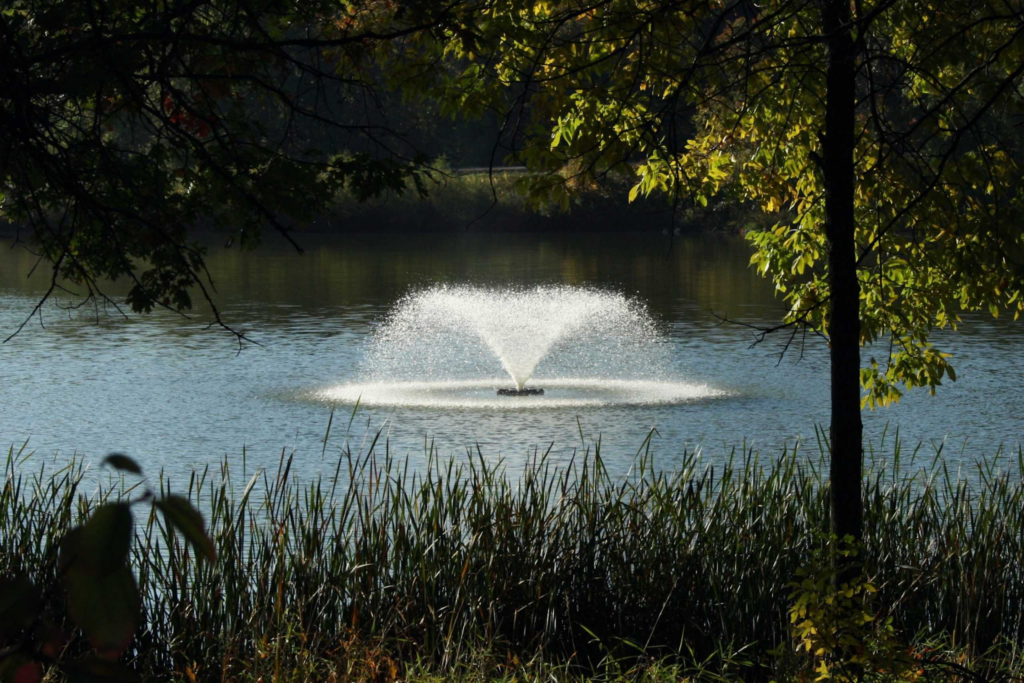
A floating water fountain does something most decorative features cannot. It works while it sits. The spray pattern pulls surface water upward, breaks the tension at the water’s top layer, and reintroduces oxygen back into the system with each cycle. For ponds that deal with warm summers and heavy plant loads, this constant motion is not optional. It is what keeps the water from turning against everything living inside it.
When Still Water Becomes the Enemy
Oxygen Depletion Happens Faster Than Expected: Warm water holds less oxygen than cold water, and when pond temperatures rise through summer, fish and beneficial microbes begin competing for what little oxygen remains. Without mechanical intervention, this spiral accelerates quickly. A pond that looks fine on the surface can be quietly suffocating everything below, and by the time visible symptoms appear, the damage is often already done.
Stagnation Feeds What You’re Trying to Avoid: Still water gives algae exactly what it needs: warmth, nutrients, and time. When water sits without movement, organic waste settles and decomposes without being processed. The resulting nutrient buildup becomes an open invitation for overgrowth. Algae blooms don’t just look bad. They consume oxygen at night and create toxin risks for fish, making prevention far more practical than treatment.

The Physics Behind the Spray
Surface Agitation and Gas Exchange: The upward spray of a fountain does more than create visual movement. It actively increases the surface area where water meets air, which is where dissolved oxygen enters the water column. Each droplet that rises and falls carries atmospheric oxygen back into the pond. Over hours and days, this exchange has measurable effects on water clarity, fish behavior, and the overall balance of the ecosystem.
Breaking the Invisible Temperature Divide: Ponds develop distinct temperature layers over time, with warmer water sitting on top and cooler, oxygen-poor water settling below. This condition, known as thermal stratification, slows the natural mixing that keeps nutrients and oxygen distributed evenly. A fountain disrupts this layering by pushing water upward and creating circulation that reaches deeper zones. Fish tend to become more active when this mixing happens consistently.
Getting the Configuration Right
Spray Height and Nozzle Pattern Both Matter: Choosing the right fountain configuration matters more than most pond owners expect. Spray height, nozzle pattern, and motor capacity all affect how much water gets moved and how effectively oxygen transfer occurs. A pattern that sends water too high loses efficiency to wind drift, while one set too low doesn’t create enough surface agitation to make a real difference.
Key Factors That Shape Fountain Performance:
- Pond surface area determines the spray diameter needed to cover circulation effectively.
- Motor horsepower affects how deep the water draw reaches below the surface.
- Nozzle design controls the spray pattern, whether a wide fan, vertical jet, or tiered display.
- Cord and float specifications must match the depth and shoreline distance of the installation.
- Energy draw should be weighed against operating hours to keep running costs manageable.
Matching the System to the Pond’s Real Demands: A fountain sized for a small backyard pond won’t circulate the volume of a larger water body, no matter how long it runs. Getting the right output means thinking about total water volume, not just surface area. Ponds with heavy fish populations or significant plant coverage also have different oxygen demands, and those variables should factor into the selection process from the start.
Where Design and Function Stop Fighting Each Other
Modern Configurations Work With the Space, Not Against It: The assumption that functional means industrial-looking no longer holds. Today’s floating fountain designs come in configurations that suit natural pond shapes, formal garden layouts, and decorative water features on commercial properties. The spray patterns themselves have become part of the design language, with tiered jets and fan spreads offering visual variety without compromising the aeration purpose.
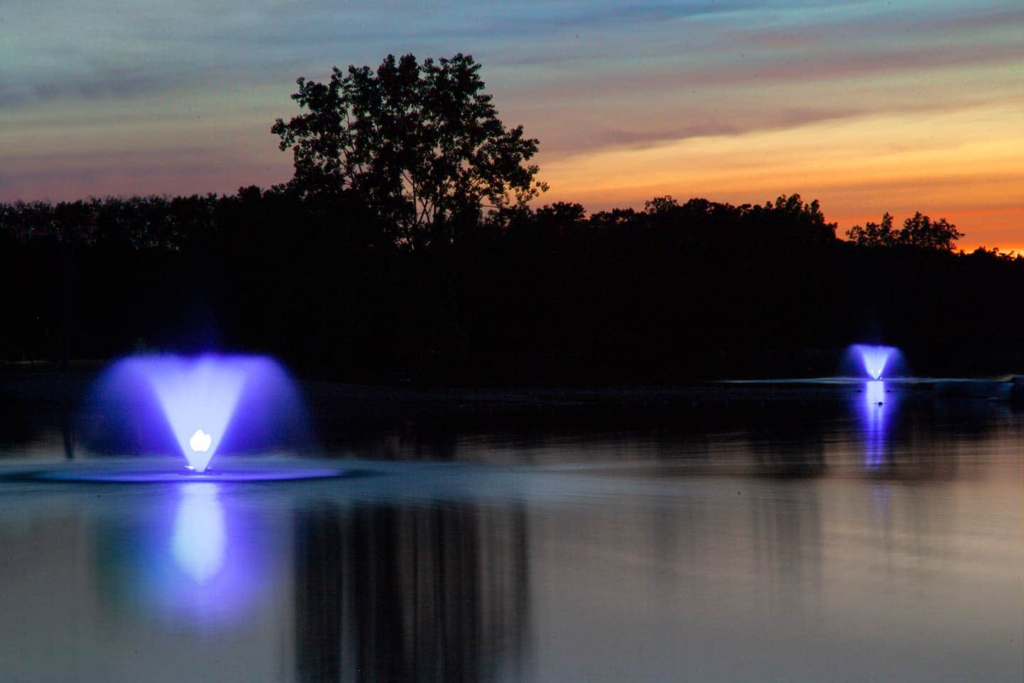
Lighting Extends the Value Past Sundown: Many floating fountain setups include integrated lighting options that transform the feature from a daytime aeration tool into an evening focal point. This dual function extends the value of the installation across all hours and seasons. The movement of lit water at night creates an effect that static lighting cannot replicate, and it adds a dimension to outdoor spaces that goes unnoticed until it’s there.
The Water You Deserve to Look At
When a pond breathes well, it looks visibly different from one that doesn’t. The water holds clarity longer, fish stay more active, and maintenance stretches further between sessions. That outcome is not accidental. Circulation and aesthetics are not competing priorities. They work together, and when the right system is in place, both improve. Start by exploring a quality floating fountain built for your pond’s specific needs.
