
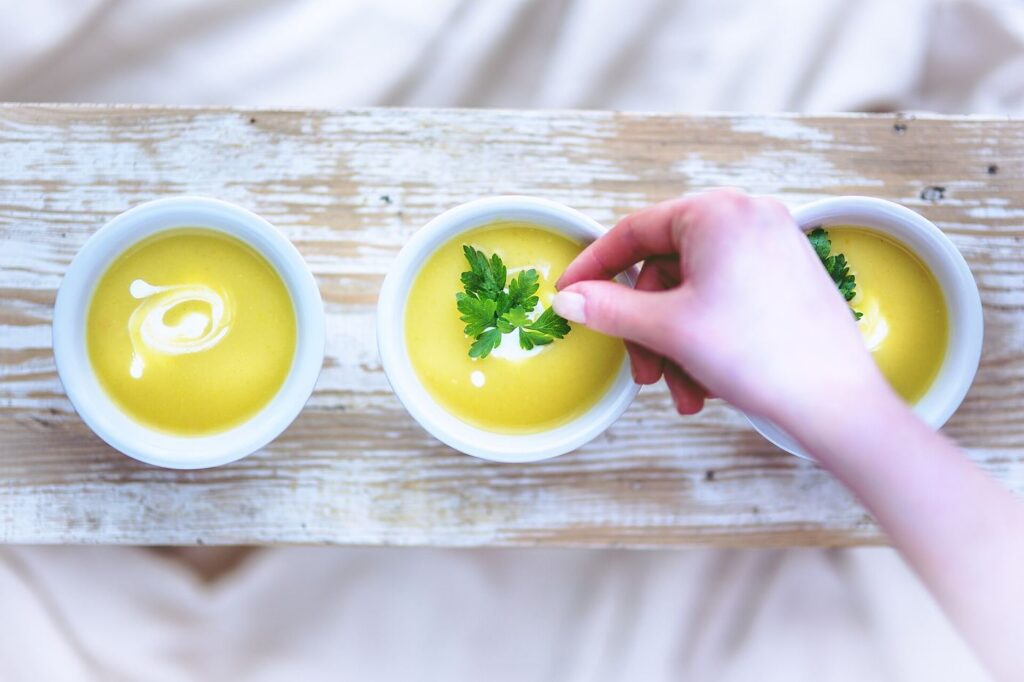
Community kitchens are reporting full benches for a new style of family cooking class that puts vegetables at the centre of the meal. Rather than starting with meat and adding sides almost as an afterthought, tutors build each recipe around what is seasonal, affordable and already sitting in most cupboards. Specialists following vegetable first cooking classes say the format removes much of the intimidation from healthy eating. Parents and children chop, stir and taste together, learning knife skills, seasoning and timing on dishes they can realistically repeat at home. Lentil soups, vegetable curries, tray bakes and hearty salads feature regularly, each chosen to stretch a modest shopping budget across several generous portions. Tutors share practical tricks as they cook, from softening onions properly to rescuing an over salted sauce. Participants also swap ideas about packed lunches, fussy eaters and using leftovers safely. The social side matters too. Cooking alongside neighbours turns a weekly lesson into a friendly routine, and many families say the confidence gained in class changes shopping habits long after the course itself has finished.
What the Evidence Shows
Organisers are careful to keep classes welcoming for beginners and realistic about time. Most recipes take under forty minutes, use one or two pans, and list supermarket ingredients with approximate costs per portion. Specialists following vegetable first cooking classes say that honesty about money is why families keep coming back. Advice that ignores budgets rarely survives contact with a weekly shop. Classes often end with everyone eating together, which gives children a low pressure chance to try new flavours beside their friends. Take home recipe cards use photographs and short steps, helping families recreate dishes without searching through long instructions. Local health teams support the sessions because skills, once learned, are shared naturally between households. A parent who masters a cheap vegetable stew teaches siblings, friends and grandparents without any formal programme at all. Over a season, those small exchanges can shift how a whole neighbourhood eats, one practical, enjoyable and affordable meal at a time. Reporting and analysis from sources such as World Health Organization track the same developments, and specialists following vegetable first cooking classes say the direction is now consistent across independent lines of evidence.
The Wider Context
The wider context is a health system trying to move from treating illness late to preventing it early, against budgets that reward the opposite. Evidence around vegetable first cooking classes is being weighed by guideline committees that ask two questions in order: does it work, and can ordinary services actually deliver it at scale. Many good ideas pass the first test and stall on the second.
What Happens Next
What happens next for vegetable first cooking classes depends on the slow machinery of guidelines, funding and training catching up with the evidence. Patients asking about it today should expect honest answers that include uncertainty, and clinicians say a service that explains what is not yet known earns more trust than one that oversells. The research pipeline, at least, is moving in the right direction. You can follow related developments in our coverage of health.
There is a practical lesson in all of this for readers deciding what to do today. Start with the verified facts, be wary of anyone promising certainty, and prefer reversible steps while the evidence is still developing. Circumstances differ by country, income and personal situation, so general guidance should always be weighed against your own context before you act on it in any significant or lasting way.
