
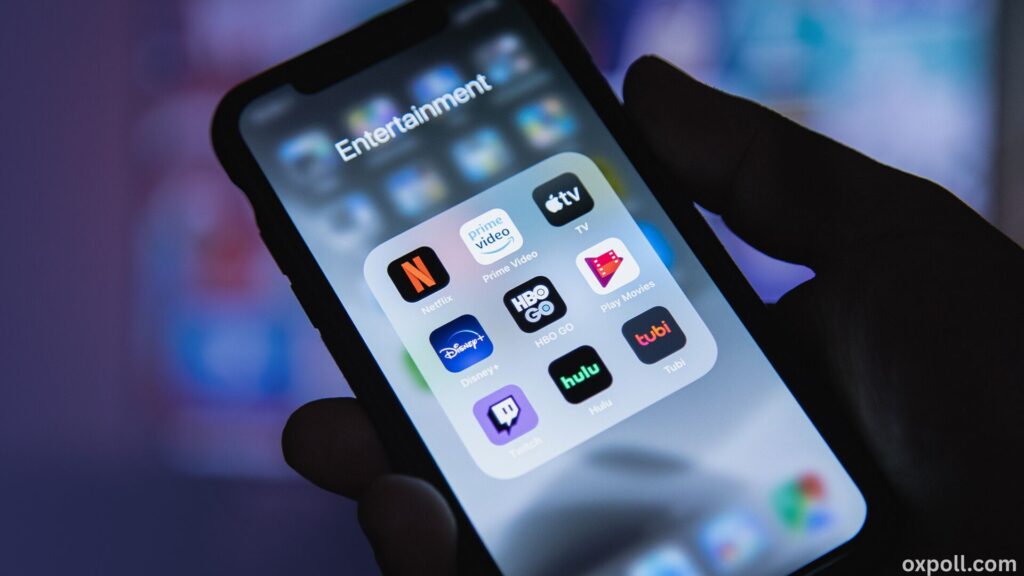
The future of entertainment is being rapidly transformed by emerging technologies and shifting consumer behaviors. From immersive virtual reality experiences to AI-generated content, the media industry is undergoing a digital revolution. Streaming platforms, interactive storytelling, and personalized content are redefining how audiences engage with entertainment.
Meanwhile, innovations like blockchain and the metaverse are opening new doors for creators and consumers alike. As traditional formats evolve, media companies must adapt to stay relevant in an increasingly competitive landscape. This article explores the key trends and technologies shaping the future of entertainment and how they are redefining the way we consume media.
Streaming services will continue to dominate
Streaming platforms have transformed the television landscape and are poised to dominate even further. A recent PwC report predicts they will overtake traditional TV as the entertainment industry’s largest segment by 2024. Their growing appeal stems from convenience and cost-effectiveness. Viewers enjoy on-demand access to diverse content without costly cable packages. In response, traditional networks are losing viewers and scrambling to keep up with evolving consumer demands.
Social media will become more integrated into entertainment
Social media has reshaped the entertainment industry, with celebrities actively using platforms like Instagram and TikTok to connect with fans. This influence is expected to grow even stronger in the years ahead. We’ll likely see more collaborations between influencers, celebrities, and streaming platforms to produce exclusive content. Social media networks may also launch their own shows and series, emerging as direct competitors in the entertainment space.
Read More: Optimizing Organizational Performance Through Data Analytics
Virtual reality will transform the way we consume entertainment
Virtual reality (VR) has been evolving for years, but its impact on entertainment is just beginning. As the technology advances, VR is set to revolutionize how audiences experience content through deeply immersive and interactive formats. From lifelike gaming environments to virtual concerts and events, VR will let users feel present in digital worlds—all from home. This shift promises to make entertainment more personal, engaging, and accessible than ever before.
Personalization will become even more important
Today’s consumers demand personalized experiences, and entertainment is no exception. Platforms like Netflix and Amazon Prime already use viewing history to deliver tailored recommendations a trend that’s only set to grow. Looking ahead, streaming services will likely offer even more customized content, from curated shows to targeted ads based on individual interests and behavior. This level of personalization will reshape how audiences discover and engage with entertainment.
Artificial intelligence will play a larger role in content creation
Artificial Intelligence (AI) is rapidly transforming the landscape of content creation. From automating repetitive tasks to generating high-quality text, images, and videos, AI tools are becoming indispensable for creators across industries. As the demand for personalized, on demand content increases, AI’s role will expand further streamlining workflows and making it easier for creators to produce more in less time.
Personalized and Data-Driven Content
AI algorithms can analyze vast amounts of user data to create highly personalized content. Whether it’s tailoring news articles based on reading habits or suggesting music videos according to mood, AI helps deliver content that resonates with individual preferences. This data-driven approach not only improves user engagement but also allows creators to make smarter content decisions backed by analytics.
AI as a Creative Partner
Tools like ChatGPT, Midjourney, and Runway have shown that AI can assist in the creative process not just with speed but with ideation as well. Writers can co-write scripts with AI, musicians can generate melodies using machine learning, and filmmakers can edit scenes with AI-driven suggestions. Rather than replacing creatives, AI acts as a collaborative partner that enhances originality and productivity.
Challenges and Ethical Concerns
Despite its potential, AI in content creation raises concerns about authenticity, ownership, and misinformation. As AI becomes capable of generating deepfakes or mimicking human voices and styles, it’s essential to establish ethical standards and transparent practices. Creators and platforms alike must ensure that AI-generated content is responsibly used and clearly disclosed to maintain trust with audiences.
Frequently Asked Questions
What are the major trends shaping the future of entertainment?
Key trends include the rise of streaming platforms, immersive technologies like virtual reality (VR) and augmented reality (AR), AI-powered content creation, personalized experiences, and the growing influence of social media in content distribution.
How is artificial intelligence being used in the media industry?
AI is used for content recommendation algorithms, audience analytics, scriptwriting, video editing, dubbing, and even creating synthetic media such as deepfakes or virtual influencers.
What role will virtual and augmented reality play in future entertainment?
VR and AR are expected to revolutionize storytelling by providing immersive, interactive experiences in gaming, concerts, virtual cinemas, and even live sports events.
Will traditional television and cinema survive the digital shift?
While streaming has disrupted traditional formats, TV and cinema are adapting by integrating hybrid models—like theatrical releases followed by quick digital distribution—and enhancing in-person experiences with better technology.
How is consumer behavior changing in the entertainment industry?
Consumers now prefer on-demand, mobile-friendly, and personalized content. They also expect interactive and immersive experiences, often driven by real-time engagement through social platforms.
What are some emerging technologies to watch in media and entertainment?
Key emerging technologies include blockchain for content rights and monetization, 5G for faster streaming, spatial computing, generative AI, and volumetric video capture for 3D storytelling.
How are content creators adapting to new trends and platforms?
Creators are becoming more tech-savvy, using data and AI tools to tailor content, collaborating across platforms, and exploring monetization strategies like NFTs, Patreon, or direct fan subscriptions.
Conclusion
The future of entertainment is being shaped by rapid technological advancements and shifting consumer expectations. From AI-generated content to immersive virtual experiences, the industry is entering a new era of innovation and personalization. As creators, platforms, and audiences adapt to these changes, staying informed and embracing emerging technologies will be key to thriving in this evolving landscape. Ultimately, the blend of creativity and technology will redefine how stories are told and consumed across the globe.
