
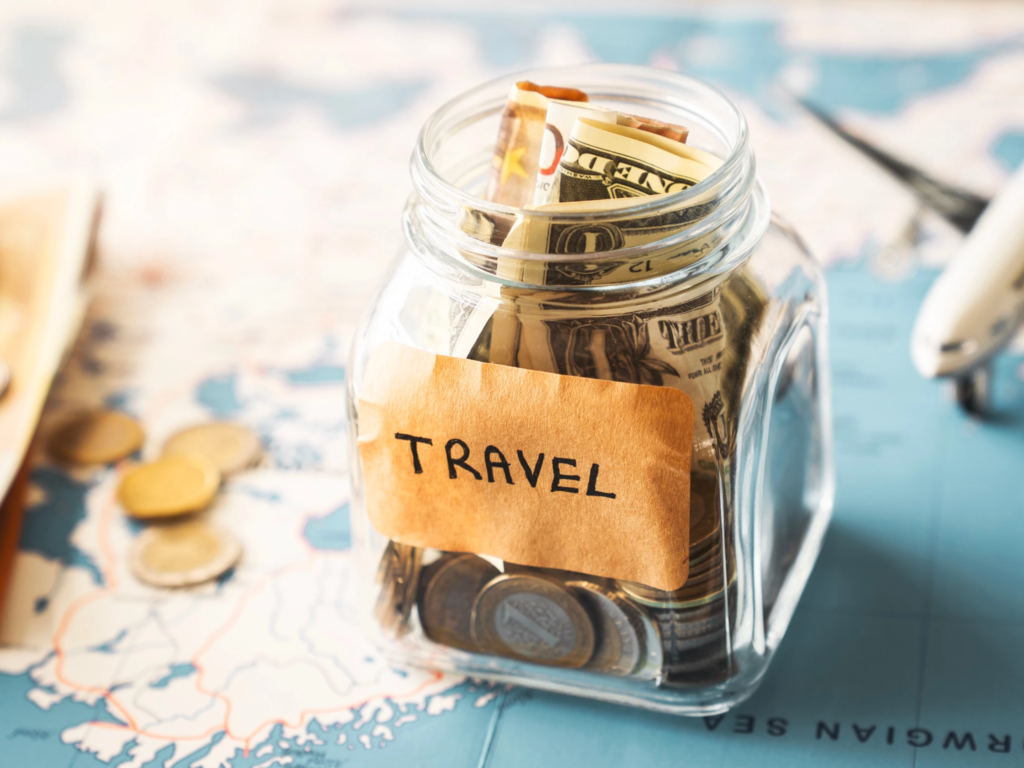
Managing money abroad involves more than converting currency before departure. Travellers should consider exchange rates, payment methods, fees, cash needs, and everyday spending habits.
Planning travel money in advance makes it easier to manage a holiday budget and reduces unnecessary financial surprises. Comparing exchange options, understanding local payment practices, and keeping different payment methods available can provide greater flexibility throughout a trip. A practical approach also helps travellers use their funds more effectively.
Planning Travel Money Before an International Trip
Preparing finances before departure can simplify spending abroad and help travellers understand expected costs and currency requirements.
1. Estimating the Overall Travel Budget
Creating a realistic travel budget helps travellers estimate spending on accommodation, transportation, food, activities, shopping, and emergencies. Separating essential and optional expenses provides a clearer financial picture. This planning also helps determine how much cash to carry and how much to keep available through cards or other payment methods.
2. Comparing Currency Exchange Rates
Exchange rates influence how much local currency travellers receive for their home currency. Even small differences can matter when exchanging larger amounts. Travellers should compare offered rates and applicable charges instead of relying only on advertised rates. Checking current rates before departure provides a useful reference for planning currency purchases.
3. Deciding How Much Cash to Carry
Cash can remain useful for small purchases, local transport, tips, markets, and places that do not accept cards. However, carrying excessive amounts can create security concerns. Travellers can estimate cash requirements based on their destination, itinerary, and spending habits. Keeping smaller denominations can also make everyday transactions more convenient.
4. Keeping Multiple Payment Options Available
Relying on one payment method can create problems if a card is declined, lost, blocked, or unavailable. Travellers can carry a combination of cash, debit or credit cards, and other suitable options. Before departure, they should confirm international usage and understand applicable transaction or withdrawal fees to avoid unexpected costs.
5. Understanding Local Spending Practices
Payment preferences differ between destinations, with some places relying heavily on cards while others commonly use cash. Travellers should research local practices before arrival, including tipping expectations, transport, markets, and smaller services. Understanding local currency denominations and common payment methods can make everyday transactions easier and reduce confusion abroad.
Managing Everyday Expenses While Travelling Abroad
Daily spending can be hard to track when prices are shown in unfamiliar currencies, making simple budgeting habits especially useful on longer trips.
Keeping a daily spending record can help travellers see how quickly they use their budget. Mobile banking applications, notes, spreadsheets, or simple budgeting tools can provide an overview of purchases and remaining funds. Travellers should also consider exchange-rate movements when estimating the home-currency value of expenses. Regularly reviewing spending can highlight areas where costs are higher than expected and allow adjustments before the remaining travel budget becomes difficult to manage.
Making Smarter Decisions With Travel Money
Careful planning can help travellers compare exchange options and manage their available funds throughout different stages of an international trip. When arranging travel money, consumers can compare exchange rates, service charges, delivery costs, collection options, and convenience before buying. Some providers offer online ordering, while others provide branch collection or delivery services. Comparing the total cost, rather than focusing on the exchange rate alone, can give a clearer sense of the value offered. Travellers should also consider when they need the currency and whether carrying physical cash suits their destination.
Handling Currency Across European Destinations
European travel can involve multiple currencies, different payment habits, and varying levels of cash acceptance by destination.
1. Understanding the Currency Used at Each Destination
Travellers visiting several European countries should confirm the currency used in each destination before departure. Many countries use the euro, while others retain national currencies. Understanding these differences helps travellers avoid exchanging unnecessary amounts or assuming that one currency will be accepted everywhere. Creating a simple currency plan for each destination can make multi-country trips easier to manage and reduce confusion when moving between different regions.
2. Comparing Euro and Non-Euro Requirements
A European itinerary may include countries that use the euro alongside destinations with separate currencies. Travellers should therefore consider their complete route before exchanging money. Buying too much of one currency can leave travellers with unused cash, while buying too little may create difficulties later. Reviewing the itinerary and expected spending requirements can help determine which currencies are needed and in what approximate quantities.
3. Preparing for Small Everyday Purchases
Small purchases can account for a significant portion of daily travel spending. Coffee, snacks, local transport, tips, market items, and minor entry fees may require convenient access to cash in some locations. Carrying suitable denominations can make these transactions easier. Travellers should also avoid keeping all their cash in one place. Dividing funds between secure locations adds an extra precaution if a wallet or bag is lost.
4. Reviewing Exchange Options Before Departure
Travellers can compare online exchange services, banks, airport counters, and local providers before leaving. The final amount received may vary because of differences in exchange rates, fees, and margins. Comparing these factors in advance helps travellers understand the likely cost of obtaining foreign currency and choose an option that suits their itinerary, timing, and preferred collection method.
5. Managing Leftover Currency After Travel
Unused currency doesn’t necessarily have to remain unused after returning home. Travellers can keep commonly used currencies for future trips or exchange eligible notes through a currency buy-back service. Reviewing the provider’s conditions before exchanging leftover currency can help travellers understand applicable requirements, accepted denominations, and available collection or exchange options.
Conclusion: Making Travel Money Work More Effectively
Managing money while travelling requires preparation, comparison, and awareness of everyday spending patterns. Understanding exchange rates, carrying suitable payment options, and reviewing expenses regularly can help travellers maintain better control of their budgets.
For travellers looking specifically at travel money for Europe, Sterling FX provides travel currency services covering euros and a range of other currencies. Their online travel money service allows customers to select a currency, confirm an exchange rate, and choose home delivery or click-and-collect. They also provide currency buy-back services for eligible leftover foreign notes, giving travellers options before and after their trips.
