
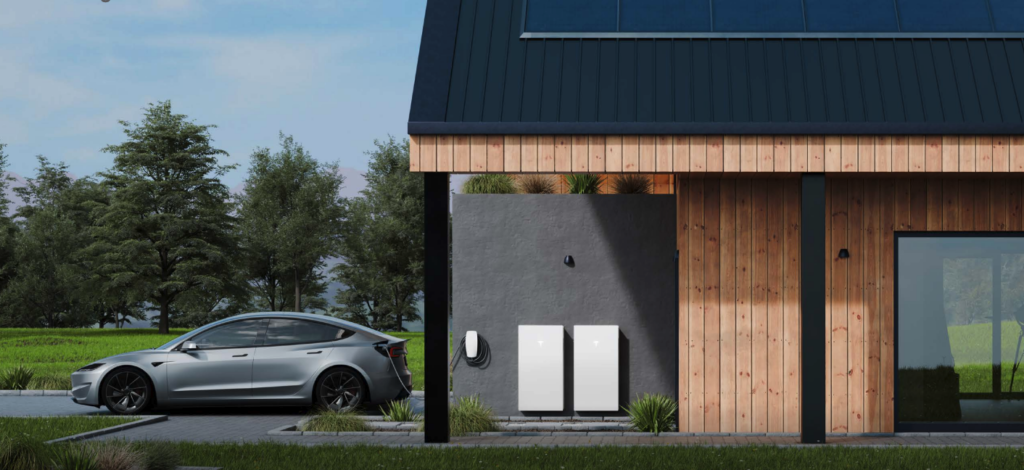
Home battery storage has become one of the most discussed topics in Australian residential energy over the past several years, and the Tesla Powerwall has consistently been at the centre of those conversations. As electricity prices continue to climb and the penetration of rooftop solar across New South Wales reaches record levels, more homeowners are looking for ways to store the energy their panels generate during the day and use it in the evening when grid power is at its most expensive and demand is at its highest.
What the Powerwall does
The Tesla Powerwall is a rechargeable lithium-ion battery system designed to be installed alongside a solar panel array and integrated with a home’s existing electrical system. During the day, excess solar energy that would otherwise be exported to the grid is instead stored in the Powerwall for later use. In the evening, when solar generation ceases and the household’s energy demand typically increases, the stored energy is discharged to power the home without drawing from the more expensive grid supply.
For homeowners in regional NSW, the Tesla Powerwall is often paired with high-quality solar panel systems to maximise the proportion of a household’s energy needs that can be met entirely from renewable sources. A well-designed solar-plus-battery system can significantly reduce — or in some cases virtually eliminate — a household’s reliance on grid-supplied electricity during normal operating conditions, with the battery serving as a buffer against the inherent variability of solar generation across different seasons and weather conditions throughout the year.
The Powerwall has a usable energy capacity of 13.5 kilowatt-hours, which is sufficient to meet the after-sunset energy needs of a typical Australian household on a standard evening. For households with higher energy consumption — particularly those with electric vehicles, ducted air conditioning, or larger floor areas — multiple Powerwalls can be installed together to provide greater storage capacity. The system is designed to scale with a household’s needs, which has contributed significantly to its widespread appeal across different household sizes and energy usage profiles.
Backup power capability
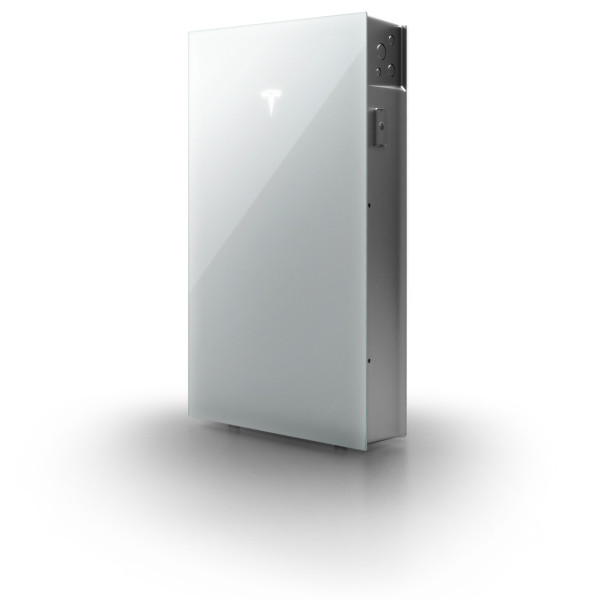
One of the most valued features of the Powerwall in NSW is its ability to provide backup power during grid outages. The system can detect a grid outage and automatically switch to battery power within a fraction of a second, maintaining power to the home without any intervention from the homeowner. This capability is particularly attractive in regional and semi-rural areas of New South Wales, where planned and unplanned outages are more common than in metropolitan areas due to the extended and more exposed nature of the distribution network.
During an outage, the Powerwall continues to be charged by the solar panels as long as sunlight is available, extending the period during which the home can operate independently of the grid. For households with essential medical equipment, refrigerated medications, or other critical power needs, this reliable backup capability is not simply a convenience but a genuine health and safety consideration that adds significant practical value beyond the normal financial benefits of battery storage.
The Powerwall’s backup power performance has been put to the test during the significant weather events that affect parts of New South Wales, including severe storms, bushfire events, and flooding that can disrupt grid supply for extended periods in affected communities. Reports from homeowners in affected areas indicate that Powerwall systems have performed reliably during these events, providing extended periods of energy independence at times when grid restoration was delayed significantly.
Financial considerations in NSW
The financial case for the Powerwall depends on several factors specific to each household’s circumstances: the size and output of the existing solar array, the household’s energy consumption patterns, the current feed-in tariff rate offered by the retailer, and the cost of grid electricity at different times of day. In general, households that consume significant energy in the evening, pay higher electricity tariffs, and have a solar array large enough to generate meaningful daily excess are the best candidates for a Powerwall investment.
NSW homeowners should be aware of the Virtual Power Plant programmes available through various energy retailers, which allow Powerwall owners to participate in grid support services in exchange for financial incentives. By aggregating multiple home batteries into a co-ordinated network, VPP schemes enable individual homeowners to earn additional income from their battery while contributing to the stability of the broader electricity grid — a mutual benefit that improves the economics of home battery storage for participating households.
Home energy systems and home security systems are both important investments in the safety and functionality of any property. Just as homeowners in WA depend on specialist services for alarm repairs Perth to keep their properties protected and operational, NSW homeowners investing in energy technology benefit most from working with qualified local installers who can ensure the system is correctly specified, professionally installed, and well-maintained over the full life of the equipment.
The installed cost of a Powerwall varies depending on the complexity of the installation, the number of units being installed, whether the installation is paired with a new solar system or being retrofitted to an existing one, and the rates of the installing solar company. Obtaining multiple quotes from accredited solar installers is always recommended, and any quotes should include a detailed assessment of the expected financial return based on the household’s specific energy data rather than generic industry averages.
Choosing the right installer
Tesla requires that Powerwall installations be completed by accredited installers — companies that have completed Tesla’s training and certification programme and are authorised to install and commission the equipment. This requirement ensures a consistent standard of installation quality and means that homeowners can access manufacturer warranty support in the event of any issues with the hardware or its performance during the warranty period.
Choosing an installer with specific Powerwall installation experience — not just general solar installation experience — is important for ensuring that the system is correctly configured to maximise its performance. This includes optimising the system settings for the household’s specific electricity tariff structure, integrating the battery correctly with the existing solar inverter, and setting up the Powerwall’s app and monitoring features so that homeowners can track their energy use and battery performance in real time throughout the life of the installation.
