
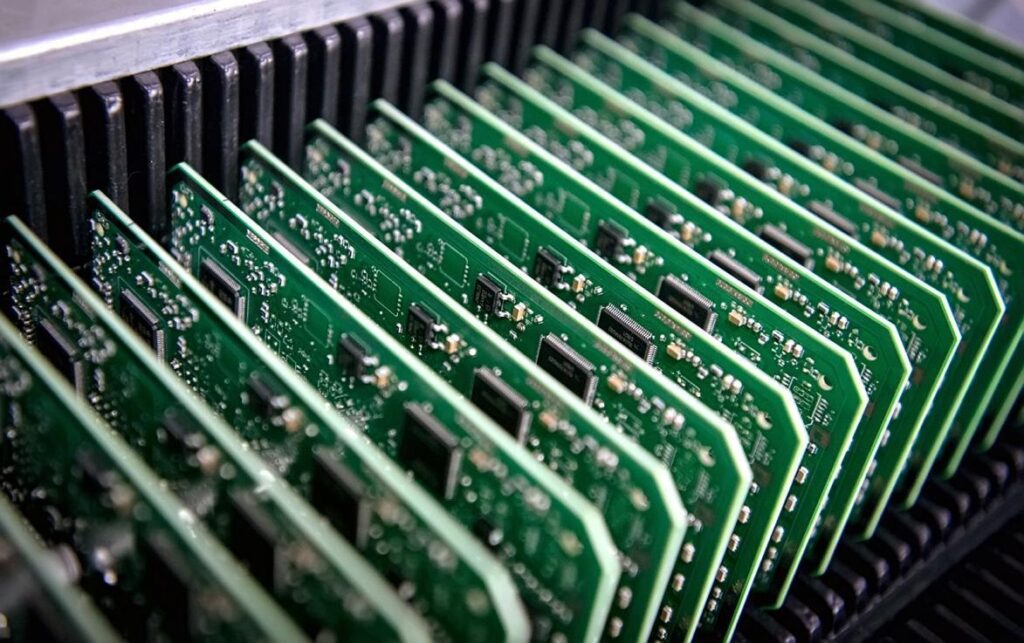
In today’s competitive electronics industry, speed, quality, and coordination determine whether a product reaches the market on time and within budget. Yet many OEM teams still rely on fragmented supply chains, separating fabrication, component sourcing, and assembly across multiple vendors. This outdated approach creates friction, miscommunication, and delays that can jeopardize launch timelines. That’s why more engineering teams are turning to pcb manufacturing & assembly partners that offer true end-to-end integration.
Problems with Fragmented Supply Chains
When PCB fabrication, sourcing, and assembly occur in isolation, inefficiency compounds quickly. Engineers must juggle multiple vendor timelines, mismatched quality standards, and unclear accountability when defects arise. Shipping boards between suppliers adds lead time and risk, while communication gaps often result in documentation errors or component mismatches.
Ultimately, each additional handoff introduces another failure point. This causes schedule slippage, forces rework, and raises total project costs.
End-to-End Model Explained
The end-to-end pcb manufacturing model unifies all production stages under one roof—from PCB fabrication and component procurement to final assembly and testing. Rather than managing a disjointed vendor chain, teams work with a single partner that handles all technical and logistical processes in sync.
This integrated approach ensures traceability, reduces administrative overhead, and streamlines change management. Engineers gain a clear view of progress, relying on one accountable partner who delivers complete, tested boards ready for integration.
Engineering Workflow Improvements
In an integrated fabrication + assembly environment, engineering collaboration improves dramatically. A single team reviews design files for manufacturability (DFM), assembly (DFA), and test (DFT) before production begins—catching potential issues early.
Real-time feedback between fabrication and assembly departments fosters faster iteration on prototypes and production builds. This process eliminates back-and-forth email chains and stops manual documentation updates that commonly occur in multi-vendor workflows.
Quality Consistency
Maintaining consistent quality across different vendors is notoriously difficult. Each supplier may use different materials, processes, or quality standards. An end-to-end solution creates a continuous quality loop—fabrication parameters, soldering profiles, and inspection results are aligned from start to finish.
The result: fewer defects, higher yield, and repeatable quality across every batch.
Communication Optimization
With a single point of contact, communication becomes focused and transparent. Engineering changes, BOM updates, and timeline adjustments are immediately reflected throughout the workflow. No more lost emails between separate PCB fabs and assemblers—information flows directly through a unified system.
Teams also simplify documentation management, ensuring all revisions and certifications stay synchronized.
Risk Mitigation
End-to-end management also reduces risk at multiple levels. Material traceability helps prevent counterfeit components, while in-house quality checks at every stage ensure issues are caught early. By minimizing supplier handoffs, OEMs also reduce transit damage, logistics errors, and schedule uncertainty.
Especially in high-reliability sectors such as automotive, aerospace, and medical, this cohesive process builds confidence and ensures compliance.
FastTurn’s Integrated Process
FastTurn PCB delivers complete end-to-end pcb manufacturing solutions for better project efficiency—covering design review, fabrication, sourcing, assembly, and functional testing. Their vertically integrated workflow ensures faster lead times, consistent quality, and transparent communication from prototype to production.
By combining advanced fabrication capabilities with in-house assembly, FastTurn PCB eliminates the traditional barriers between engineering, supply chain, and production teams—helping OEMs achieve faster market readiness with fewer risks.
Conclusion
The future of electronics manufacturing lies in integration, not fragmentation. Partnering with a provider that offers true pcb manufacturing & assembly under one roof means fewer delays, stronger quality control, and more efficient communication. With proven expertise and a fully connected process, FastT urn PCB empowers engineering teams to move from concept to completion with unmatched efficiency and reliability.
