
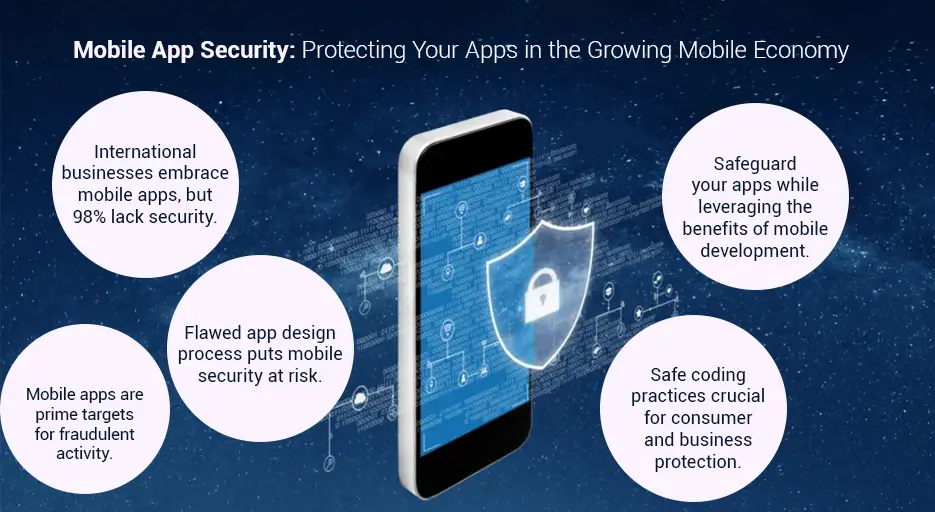
For businesses that use mobile applications to serve customers and handle sensitive data, security is a top priority. As cyber threats increasingly target mobile apps, protecting the application’s code from unauthorized access and tampering has become essential. One effective way to achieve this is through code obfuscation, a technique that transforms application code into a version that is much harder for attackers to understand, analyze, or reverse engineer.
Although protecting source logic is an important step, application security extends beyond the development stage. Attackers frequently analyze deployed applications using advanced tools that attempt to uncover vulnerabilities or alter functionality. Building a resilient security strategy requires multiple layers of protection that defend applications before and after deployment.
Understanding Code Protection Techniques
Protecting application code involves implementing measures that make software harder to analyze, copy, or modify. Rather than changing how an application functions, these techniques alter the internal structure so attackers encounter greater difficulty when attempting to understand its logic. This additional complexity discourages unauthorized analysis while preserving application performance.
Organizations often combine several protective methods to reduce opportunities for exploitation. By strengthening application integrity during development, businesses create a stronger foundation that supports broader mobile security initiatives throughout the software lifecycle.
Identifier Renaming
Renaming classes, variables, methods, and packages reduces code readability without affecting application behavior. Attackers must spend considerably more effort understanding application logic after compilation.
Control Flow Transformation
Changing the logical structure of execution paths makes software analysis more challenging. Complex execution sequences create additional barriers for reverse engineering attempts.
String Encryption
Sensitive text stored within an application can reveal valuable information to attackers. Encrypting embedded strings helps prevent direct extraction of credentials, endpoints, and configuration details.
Metadata Protection
Removing unnecessary metadata limits the amount of information available through static analysis tools. Reduced visibility makes application inspection more difficult for unauthorized parties.
Benefits of Protecting Application Logic
Organizations invest significant resources in designing unique application functionality. Protecting that intellectual property helps prevent unauthorized duplication while reducing opportunities for malicious modification. Secure applications also improve confidence among customers who expect reliable digital experiences.
Development teams benefit because stronger application protection complements secure coding practices instead of replacing them. Multiple defensive measures working together create greater resilience against increasingly sophisticated attack techniques.
Important advantages include:
- Makes reverse engineering more difficult.
- Protects proprietary business logic.
- Preserves application integrity.
- Reduces exposure to unauthorized modifications.
- Supports intellectual property protection.
- Strengthens overall software resilience.
Why Protection During Development Is Not Enough
Development phase security establishes an important foundation, but threats continue after applications reach user devices. Attackers often rely on runtime manipulation, debugging, memory inspection, and dynamic instrumentation to bypass static security controls that were implemented before deployment.
Because these attacks occur while applications are actively running, organizations require continuous monitoring that identifies suspicious activity as it happens. Combining build time protection with runtime defenses creates a stronger security posture capable of addressing a broader range of attack methods.
Common runtime risks include:
- Unauthorized debugging sessions.
- Dynamic instrumentation attacks.
- Memory manipulation attempts.
- Runtime code modification.
- Credential theft activities.
- Tampering with application behavior.
Runtime Security Strengthens Mobile Protection
Applications continue interacting with users, networks, and operating systems long after deployment. During this stage, attackers may attempt to alter execution behavior, bypass security controls, or inspect sensitive information. Runtime security provides continuous visibility into application activity, allowing suspicious behavior to be identified before it leads to compromise.
Rather than depending entirely on preventive measures implemented during development, runtime protection actively responds to threats while the application is operating. This additional layer helps preserve application integrity, improve resilience, and support secure mobile experiences across Android and iOS environments.
Runtime Threat Detection
Continuous monitoring evaluates application behavior throughout execution. Security mechanisms identify abnormal activities quickly and respond before malicious actions can affect sensitive information.
Integrity Verification
Integrity verification checks whether application components remain unchanged after deployment. Detecting unauthorized modifications helps prevent compromised applications from operating normally.
Anti Tampering Controls
Protective mechanisms recognize attempts to modify binaries or interfere with application execution. Blocking these activities helps maintain reliable application performance and reduces security risks.
Threat Intelligence
Runtime analytics provide valuable insight into attempted attacks and suspicious behavior. Security teams can use these findings to strengthen future protection strategies and improve incident response.
Best Practices for Stronger Mobile Application Security
Organizations achieve stronger protection when secure development practices work together with continuous monitoring and regular testing. Security should remain an ongoing process that evolves alongside changing threats rather than ending after application deployment.
Development and security teams should also evaluate protection strategies periodically to identify emerging risks and improve defensive capabilities. Maintaining updated software, monitoring application activity, and validating application integrity contribute to a stronger overall security posture.
Recommended security practices include:
- Conduct regular application security assessments.
- Apply timely software and security updates.
- Encrypt confidential application data.
- Monitor runtime activity continuously.
- Validate application integrity frequently.
- Educate development teams on secure coding principles.
Selecting a Long Term Mobile Security Strategy
Every organization operates within a unique threat landscape influenced by business goals, regulatory obligations, and application complexity. Selecting an effective protection strategy requires evaluating security throughout the complete software lifecycle instead of focusing on only one development phase.
A layered security approach that combines secure coding, runtime monitoring, integrity validation, anti tampering, anti reverse engineering, and continuous threat visibility provides stronger protection against evolving cyber threats while supporting reliable mobile application performance.
Final Thoughts
Looking for protection that goes beyond basic application hardening? Organizations seeking comprehensive mobile application security should consider solutions that safeguard applications throughout development, deployment, and runtime operation. Doverunner provides capabilities including runtime application self protection, anti tampering, anti reverse engineering, application shielding, threat analytics, DRM, and forensic watermarking, helping businesses strengthen application resilience while protecting valuable digital assets across Android and iOS platforms.
