
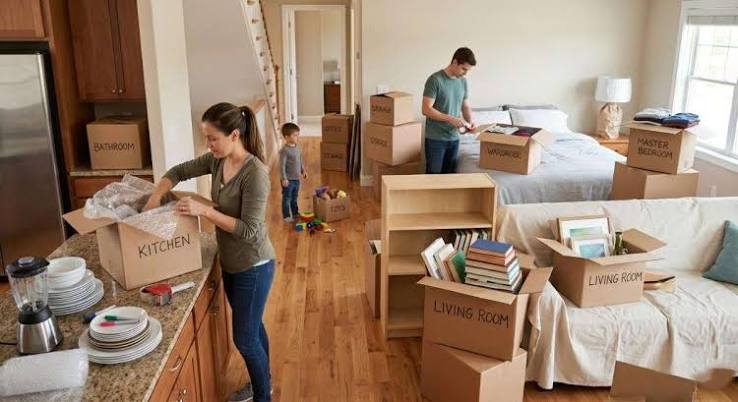
Booking professional movers is one of the best decisions you can make before a move, but the way you prepare your home has a huge effect on how smoothly moving day goes. When boxes are packed, rooms are organised and access is clear, movers can work quickly and safely. When they arrive to half-packed rooms and blocked hallways, the job takes longer, costs more and increases the risk of damage. This room-by-room guide explains how to get your home ready so that moving day runs like clockwork.
Start With a General Plan
Before tackling individual rooms, make a plan for the whole home. Decide what will move, what will be sold or donated and what will be thrown away. Create a floor plan of the new home and decide where each large piece of furniture will go. Share this plan with the movers so they can place items directly in the right room.
Also check practical details: Is there a lift? Where can the moving vehicle park? Do you need to reserve a parking space or inform the property manager? Answering these questions early prevents surprises on the day.
Entrance and Hallways
The entrance is the busiest area on moving day. Every box and piece of furniture passes through it.
- Remove shoes, coats, rugs and small furniture from the hallway.
- Protect floors with cardboard or floor protection, especially in winter.
- Make sure doors can be fully opened and, if necessary, remove door stoppers.
- Take down mirrors and pictures that could be bumped.
Kitchen
The kitchen usually takes the longest to pack because it contains many small and fragile items.
- Use up food in the freezer and pantry during the weeks before the move.
- Pack plates vertically and wrap glasses individually.
- Defrost the freezer at least a day before moving and dry it thoroughly.
- Secure the drum of the washing machine with transport bolts if it is moving with you.
- Disconnect appliances or arrange for a professional to do it.
- Pack a separate box with a kettle, a few plates, cutlery and snacks for the first day.
Living Room
Living rooms contain bulky furniture and valuable electronics.
- Empty bookshelves and remove loose shelves.
- Pack books in small boxes, as they become heavy quickly.
- Photograph cable connections before disconnecting the TV and audio equipment.
- Wrap lamps and lampshades separately.
- Roll and tie rugs.
Bedrooms
Bedrooms are easier to pack, but beds and wardrobes need attention.
- Empty drawers and wardrobes completely, or secure light contents so they cannot shift.
- Use wardrobe boxes for hanging clothes.
- Disassemble beds if you can, and keep screws in labelled bags.
- Pack bedding for the first night in a clearly marked box so it is easy to find.
Bathroom
Bathrooms contain liquids and medicines that need special handling.
- Tighten caps and seal bottles with plastic film.
- Pack liquids in sealed bags inside boxes.
- Keep medicines with you rather than in the moving vehicle.
- Dispose of expired products instead of moving them.
Children’s Rooms
Involve children in packing their own rooms. Let them choose a few favourite toys to keep with them on moving day. Pack the rest in labelled boxes and make sure the children’s room is among the first to be set up in the new home.
Storage Rooms, Basements and Balconies
These areas are easy to forget. Many Finnish apartments have a separate storage room in the basement or attic, and the movers need to know about it in advance. Go through everything well before moving day. Dispose of old paint, chemicals and broken items properly, as many moving companies cannot transport hazardous substances. Information on sorting and recycling household waste is available from InfoFinland.
Label Everything Clearly
Label each box on at least two sides with its destination room and a short description of the contents. Mark fragile boxes clearly. A colour code per room, with matching signs on the doors of the new home, helps movers place everything correctly without asking.
Prepare the Paperwork
Keep important documents, keys, passports and valuables in a bag that travels with you. Submit your notification of move online through muuttoilmoitus.fi, sign an electricity contract for the new address and update your home insurance before moving day.
On Moving Day
Be present when the movers arrive and walk them through the home. Point out fragile items, items that will not move and anything that needs special care. Keep children and pets in a safe place away from the work. Before leaving, check every room, cupboard and storage space one final time.
Working with an experienced moving company makes all of this easier. You can find professional help and request a quote at https://kuljetusvarma.fi/, where the team handles home moves of all sizes.
Frequently Asked Questions
Should I empty drawers before the move?
Yes, in most cases. Full drawers make furniture heavy and can cause damage. Light items such as clothing can sometimes stay if the drawers are secured.
How early should I start packing?
Start with rarely used items four to five weeks before the move and pack the essentials in the last few days.
Conclusion
A well-prepared home is the key to a fast, safe and affordable move. By working through your home room by room, labelling boxes clearly and clearing the way for the movers, you help them do their best work. The result is a moving day with less stress and a quicker start in your new home.
