
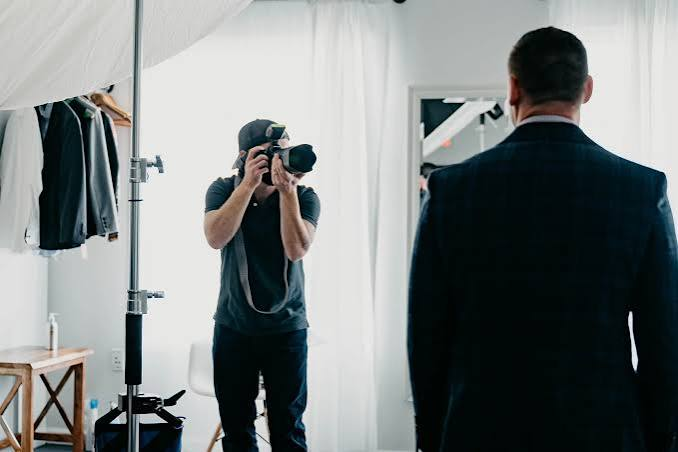
When a company invests in visual content, the assumption is often that the hard work ends at the shoot. In practice, the harder decisions happen before anyone picks up a camera. Choosing a commercial photography service in the United States involves more complexity than most brand managers initially expect, particularly when the images produced will represent the company across product catalogs, advertising campaigns, trade publications, and digital platforms simultaneously.
The US market for commercial photography is broad and fragmented. It ranges from large production studios with in-house teams to independent photographers specializing in narrow verticals. This variety is not a problem in itself, but it creates real risk when brand managers select based on portfolio aesthetics alone, without accounting for production consistency, contractual clarity, turnaround reliability, or how well a photographer understands the business context behind the images they are producing.
This framework is designed to help brand managers and marketing directors structure their evaluation process before entering any commercial photography engagement. The goal is not to find the most impressive photographer. It is to find the right operational and creative fit for a specific business need.
Understanding What Commercial Photography Services Actually Encompass
Commercial photography is not a single service. It is a category that includes product photography, architectural and real estate imagery, corporate portraiture, industrial documentation, food and beverage campaigns, retail and lifestyle shoots, and more. Each of these disciplines requires different equipment, lighting setups, post-production workflows, and in some cases, entirely different creative teams. When brand managers approach this selection without a clear understanding of what falls under the umbrella, they often end up working with photographers whose strengths do not match the project type.
A well-structured Commercial Photography Services guide will clarify the distinctions between service types and help brands understand what deliverables to expect from each category. This distinction matters operationally, because the production requirements for, say, a product line shoot are fundamentally different from those of an environmental brand story or a corporate event documentation project.
Production Scope and Hidden Complexity
One of the most consistent gaps in commercial photography engagements is an underestimation of production scope. A brand manager may request “product photography for an e-commerce catalog” without accounting for the number of SKUs, variation shots, lifestyle context images, and platform-specific formatting requirements involved. On the photographer’s side, this ambiguity can lead to underquoting, rushed execution, or renegotiation mid-project.
Before evaluating any photographer or studio, the brand team should define the full scope of the output needed, including how images will be used, what formats are required, and whether the work involves single-day production or phased delivery. This scoping process directly affects which type of commercial photography operation is the right fit, whether that is a solo photographer with a compact setup or a studio with full production infrastructure.
Commercial Intent Versus Editorial Context
Commercial photography is legally and practically distinct from editorial photography. Images produced for advertising, product listings, and promotional materials carry different usage rights, licensing structures, and sometimes different creative constraints than editorial images produced for publication in trade or consumer media. Photographers operating primarily in the editorial space may not carry the right licensing agreements or indemnification structures for commercial use, which creates risk for the brand if images are later used in paid advertising without proper clearance.
According to the US Copyright Office, licensing terms for visual works can vary significantly depending on intended use, duration, and distribution scope. Brand managers should confirm that any commercial photography agreement specifies usage rights explicitly, covering the channels, duration, and exclusivity terms relevant to the campaign.
Evaluating Consistency and Production Reliability
Aesthetic quality is visible in a portfolio. Production reliability is not. This distinction is one of the most important considerations in commercial photography selection, and it is frequently underweighted. A photographer may produce exceptional images in controlled conditions but struggle with consistent output across multi-day shoots, multi-location projects, or high-volume catalog work where visual uniformity is a business requirement.
Consistency matters most in situations where images will appear side by side, such as e-commerce product grids, printed catalogs, brand lookbooks, or trade show displays. If lighting, color temperature, cropping, or retouching style varies across a batch, the brand’s visual identity is compromised, and correction through post-production becomes time-consuming and expensive.
Assessing a Photographer’s Production Process
When evaluating commercial photographers, ask directly about their production workflow rather than reviewing the portfolio in isolation. Understand how they handle shot lists, how they manage file organization and delivery, and what their post-production process involves. A photographer who works without a structured process may produce stunning individual images but create significant coordination problems when the project involves multiple stakeholders, art directors, or revision rounds.
Key questions worth raising during the evaluation include how the photographer handles retakes or reshoots if the initial output does not meet approval, how their delivery timeline is structured, and whether they use a project management or proofing system that allows client review and feedback without extended email chains.
Volume Capacity and Turnaround Commitments
Brands with ongoing content needs, whether monthly product updates, seasonal campaigns, or regional marketing variations, should evaluate whether a commercial photography service can support that volume consistently over time. A one-time exceptional shoot is not evidence of an ability to sustain output across a 12-month relationship.
Turnaround time commitments should be written into the service agreement, not assumed from verbal conversation. Delays in image delivery have downstream effects on campaign launch timelines, print production schedules, and retailer or distributor requirements. Brands that have experienced this kind of disruption typically become more disciplined about formalizing timelines before project start.
Aligning Photography Direction with Business Context
Commercial photography exists to serve a business function. The images produced are tools, not artwork independent of purpose. A photographer who understands only the visual side of the assignment without grasping the business context behind it will make creative decisions that may be aesthetically sound but commercially misaligned. This is a common source of dissatisfaction in commercial photography engagements, particularly when there is no dedicated art director bridging the communication gap between the brand and the photographer.
Before any shoot begins, the brand manager should ensure the photographer understands who the images are for, where they will appear, what the brand positioning is, and what action the images are intended to support. This context shapes decisions about subject framing, environment selection, talent direction, and post-production tone.
The Role of a Creative Brief in Commercial Photography
A detailed creative brief is not an optional formality. It is the primary document that aligns expectations between the brand and the photographer before production begins. A well-structured brief covers the campaign or project objective, the target audience, the visual tone, any mandatory brand standards, and specific must-have shots alongside any must-avoid elements.
Photographers who work without a brief, or who work from a brief they have not reviewed and acknowledged, are operating with a higher margin of error. Brands that skip this step often end up with images that require significant reshooting or heavy retouching to bring into alignment with what was actually needed. The brief is also a practical reference point if a dispute arises about deliverables or quality at the end of the project.
Industry Specialization and Visual Fluency
Not all commercial photographers are interchangeable across industries. A photographer with deep experience in food and beverage has developed visual instincts, lighting approaches, and post-processing techniques that are specific to that category. The same photographer may not have the same fluency when applied to industrial equipment, healthcare environments, or fashion retail. This does not mean generalists are unqualified, but it does mean that industry-specific experience can reduce briefing time, increase first-pass accuracy, and result in images that feel appropriate to the sector rather than generic.
When reviewing portfolios, prioritize examples from your specific industry or product category. If a photographer cannot provide relevant examples, ask directly how they would approach the specific visual requirements of your product or environment. Their answer reveals as much about their understanding as their previous work does.
Contracts, Rights, and Commercial Risk Management
The legal framework around commercial photography is an area that brand managers often defer to procurement or legal teams, but the baseline understanding of contract terms is a functional part of selecting commercial photography services. Usage rights determine what the brand can and cannot do with images after delivery. Without explicit rights assignment, the default in US copyright law is that the creator retains ownership, meaning the brand technically licenses the images rather than owning them outright.
This becomes a problem when images are used beyond the originally agreed scope, such as when a regional campaign image gets repurposed for national advertising, or when a product image produced for a single catalog is used in paid digital placements years later. A properly structured commercial photography contract addresses these scenarios in advance and protects both parties from ambiguity.
Buyout Terms Versus Licensing Structures
Some commercial photographers offer full buyout terms, transferring all rights to the brand upon payment. Others license images for specific uses and timeframes, with additional fees required for expanded use. Neither structure is inherently better, but the brand needs to understand which model applies and how it aligns with their intended use of the content. A short-term licensing arrangement may seem cost-effective initially but become expensive if the images remain in use beyond the original window.
Clarifying these terms before signing any agreement prevents renegotiation surprises later and ensures the brand’s marketing team can use images freely within whatever systems, platforms, or campaigns they manage.
Concluding Thoughts for Brand Managers
Choosing a commercial photography service is a business decision before it is a creative one. The quality of the final images matters, but so does the reliability of the production process, the clarity of the contractual relationship, and the photographer’s ability to understand and serve the business objectives behind the assignment.
Brand managers who invest time in structured evaluation before committing to a commercial photography engagement consistently report fewer revisions, more usable deliverables, and stronger long-term working relationships. Those who select based on visual impression alone tend to discover the gaps only after a project has already started.
The framework outlined here is not exhaustive, but it covers the dimensions most likely to affect outcomes: scope clarity, production consistency, creative alignment, and legal structure. Applying this framework early in the selection process reduces the likelihood of expensive corrections after the fact and positions the brand to build a photography relationship that can scale with its content needs over time.
