
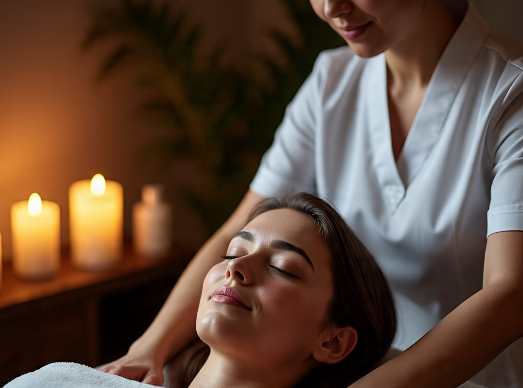
Depression is a complex mental health condition affecting millions worldwide. Characterized by persistent sadness, loss of interest in daily activities, and changes in sleep or appetite, depression can severely impact quality of life. While conventional treatments such as medication and psychotherapy are effective for more info, complementary approaches like massage therapy are gaining attention for their ability to improve mood, reduce stress, and support emotional well-being. By combining physiological, psychological, and neurological mechanisms, massage therapy provides a holistic approach to managing depressive symptoms and enhancing overall mental health.
Understanding the Link Between Massage and Mental Health
Massage therapy is more than just a physical relaxation technique. It involves the manipulation of muscles, connective tissue, and other soft tissues, which can trigger significant changes in the nervous system and brain chemistry. The calming and restorative nature of touch has profound effects on emotional regulation. When practiced regularly, massage therapy can stimulate the release of endorphins—natural chemicals that elevate mood—while reducing levels of stress hormones like cortisol, which are often elevated in individuals experiencing depression.
Physiological Effects of Massage Therapy on Mood
- Regulation of Stress Hormones
Stress is a major contributor to depressive symptoms. Chronic stress keeps the body in a heightened state of alert, increasing cortisol levels and disturbing the balance of neurotransmitters in the brain. Massage therapy counteracts this by activating the parasympathetic nervous system, which promotes relaxation and reduces cortisol production. Over time, lower cortisol levels can decrease feelings of anxiety, irritability, and overwhelm, making it easier for individuals to experience emotional stability. - Release of Feel-Good Chemicals
Massage stimulates the production of endorphins, dopamine, and serotonin, neurotransmitters associated with happiness and emotional well-being. Endorphins act as natural painkillers and mood elevators, while serotonin and dopamine regulate mood, motivation, and energy levels. This chemical shift provides a natural, non-pharmaceutical boost to mental health, creating a sense of calm and pleasure that can counteract the emotional lows associated with depression. - Improved Sleep Quality
Sleep disturbances are both a symptom and a contributing factor in depression. Insomnia, restless sleep, or early morning awakenings can exacerbate mood disorders. Massage therapy promotes relaxation, reduces muscular tension, and enhances parasympathetic activity, helping individuals fall asleep more easily and enjoy deeper, restorative sleep. Improved sleep quality can significantly impact mood regulation, cognitive function, and emotional resilience, all of which are critical in managing depressive symptoms.
Psychological and Emotional Benefits of Regular Massage
- Reduction of Anxiety and Negative Thought Patterns
Depression often coexists with anxiety, creating a cycle of worry and hopelessness. Regular massage can help interrupt this cycle by providing a safe, calming environment where individuals can release both physical and emotional tension. The act of receiving focused attention and care reinforces feelings of self-worth and relaxation, reducing anxiety and promoting a more positive mindset over time. - Enhanced Mind-Body Connection
Depression can make individuals feel disconnected from their own bodies and surroundings. Massage encourages awareness of bodily sensations, breathing, and posture, fostering a stronger mind-body connection. This awareness helps individuals recognize tension or stress signals early, promoting proactive self-care and reducing emotional overwhelm. A strengthened mind-body connection is associated with greater emotional regulation, helping people cope more effectively with depressive thoughts and feelings. - Encouragement of Social and Emotional Interaction
Human touch plays a fundamental role in emotional development and well-being. For individuals experiencing depression, touch can be especially therapeutic. The physical contact involved in massage provides a sense of comfort, safety, and connection that is often missing during periods of isolation. This nurturing interaction can help reduce feelings of loneliness, foster trust, and create an emotional anchor that supports long-term mental health.
Neurological Mechanisms Behind Mood Improvement
Recent studies in neuroscience highlight how massage therapy affects brain activity. Touch activates sensory pathways that communicate with the hypothalamus and limbic system, areas of the brain involved in emotional processing. By modulating these systems, massage therapy can reduce hyperactivity associated with stress and depressive states. Additionally, stimulation of the vagus nerve during certain massage techniques improves parasympathetic tone, lowering heart rate and promoting relaxation. This neurological effect reinforces a sense of calm and stability, providing both immediate relief and long-term support for mood regulation.
Types of Massage Beneficial for Depression
Different massage techniques offer unique benefits for mood enhancement and depression relief:
- Swedish Massage: Focused on gentle, flowing strokes, Swedish massage promotes relaxation, reduces stress, and increases serotonin and dopamine levels.
- Deep Tissue Massage: Targets chronic muscle tension and promotes emotional release stored in muscles, helping alleviate both physical and psychological stress.
- Aromatherapy Massage: Combines essential oils with massage, enhancing mood through the olfactory system while providing relaxation and mental clarity.
- Reflexology: Applies pressure to specific points on the feet, hands, or ears, influencing the nervous system and promoting overall emotional balance.
- Shiatsu or Acupressure: Stimulates energy pathways to restore balance and relieve mental and physical tension, supporting mood regulation.
Choosing the right type depends on personal preference, physical condition, and the specific symptoms of depression. A licensed hwajeong massage therapist can tailor sessions to maximize mental health benefits.
Long-Term Benefits of Consistent Massage Therapy
While a single session can provide temporary relief, the most significant impact occurs with regular, ongoing massage therapy. Over weeks and months, consistent massage contributes to:
- Sustained Mood Improvement – Repeated stimulation of endorphins, serotonin, and dopamine helps maintain a positive emotional baseline.
- Resilience Against Stress – Reduced cortisol levels and improved relaxation response enhance the body’s ability to cope with daily stressors.
- Lowered Risk of Relapse – For individuals recovering from depression, regular massage can act as a preventive measure, supporting emotional stability and reducing the likelihood of depressive episodes.
- Enhanced Emotional Awareness – Continued massage encourages mindfulness and introspection, helping individuals recognize triggers and manage negative thought patterns more effectively.
Integrating Massage with Other Mental Health Strategies
Massage therapy works best when combined with other supportive strategies for depression management. Physical activity, meditation, cognitive behavioral therapy (CBT), and proper nutrition complement the effects of massage. Together, these approaches create a comprehensive, multi-faceted plan to improve mood, reduce depressive symptoms, and promote overall mental wellness.
Conclusion
Depression is a multifactorial condition that requires a holistic approach to treatment and prevention. Massage therapy offers a unique, natural, and effective method to improve mood, reduce stress, and alleviate depressive symptoms. By influencing brain chemistry, regulating stress hormones, enhancing sleep, and promoting emotional balance, massage serves as a powerful adjunct to conventional therapies. Incorporating regular massage into one’s self-care routine not only provides immediate relief but also fosters long-term mental and emotional resilience. In a world where mental health challenges are increasingly prevalent, massage therapy offers a tangible, nurturing, and science-backed path toward emotional well-being and improved quality of life.
