
Power outages can happen unexpectedly, leaving homes and businesses without electricity for hours or even days. Severe weather, electrical failures, and problems with the local power grid can interrupt daily activities and affect essential appliances and equipment. Having a dependable backup generator is an effective way to prepare for unexpected power interruptions and maintain access to electricity when you need it most.
For homeowners and business owners searching for Generator Installation in Port Byron, IL tri, choosing the right electrical contractor is an important step toward reliable backup power. A professionally installed generator can help protect your property, maintain household comfort, and keep essential business operations running during unexpected outages.
Why Is Backup Generator Installation Important?
Electricity plays an essential role in modern homes and businesses. From refrigerators and heating systems to computers and security equipment, many important devices depend on a continuous power supply.
A backup generator provides an additional source of electricity when the primary utility supply becomes unavailable. Depending on the generator’s capacity and configuration, it can power selected appliances or support a larger portion of your property’s electrical requirements.
Here are some important benefits of installing a backup generator:
- Reliable Backup Electricity: Maintain access to essential electrical equipment during unexpected outages.
- Home Comfort: Keep compatible heating, cooling, and lighting systems operating.
- Food Protection: Help prevent food spoilage by maintaining power to refrigerators and freezers.
- Business Continuity: Reduce interruptions to important business activities and equipment.
- Improved Preparedness: Be better prepared for severe weather and unexpected electrical problems.
- Peace of Mind: Enjoy greater confidence knowing that an alternative power source is available.
Installing a suitable generator is a practical investment for property owners who want to improve their emergency preparedness.
Professional Generator Installation in Port Byron, IL tri
Every property has different electrical requirements. A small residential property may only need backup electricity for essential appliances, while a larger home or commercial building may require a generator with greater power capacity.
Professional generator installation involves evaluating your electrical system, selecting appropriate equipment, preparing the installation location, and completing the necessary electrical connections.
1. Evaluating Your Power Requirements
The first step in generator installation is determining how much electricity your property needs during an outage. This includes identifying essential appliances, lighting, heating and cooling equipment, and other electrical systems.
A professional assessment helps determine the appropriate generator capacity and prevents problems associated with selecting an undersized or oversized unit.
2. Selecting the Right Generator
Choosing the right generator depends on your property size, electricity consumption, budget, and backup power expectations.
Common generator options include:
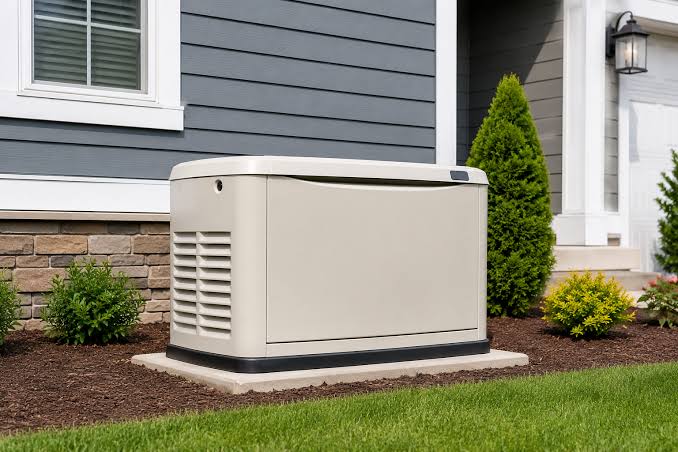
- Standby Generators: Permanently installed systems designed to provide automatic backup electricity when utility power is interrupted.
- Portable Generators: Temporary backup power solutions that can operate selected appliances and equipment when used safely outdoors.
- Whole-Home Generators: Larger systems designed to support most or all household electrical requirements, depending on their capacity.
Selecting suitable equipment helps ensure that your backup power system meets your expectations.
3. Preparing the Installation Location
Proper generator placement is essential for safe and reliable operation. The installation location should follow manufacturer recommendations, local building codes, and applicable clearance requirements.
Standby generators are generally installed outdoors in an appropriate location with sufficient ventilation and accessibility for maintenance.
4. Electrical Connections and Transfer Switch Installation
A transfer switch is an important component of many standby generator systems. It safely manages the connection between utility electricity and generator power.
When utility electricity fails, an automatic transfer switch can detect the interruption and transfer the connected electrical loads to the generator.
Correct installation helps prevent electrical backfeeding and supports safe operation.
5. Testing and Final Inspection
After installation, the system should be tested to confirm that the generator starts properly, electrical connections function correctly, and the transfer switch operates as intended.
Testing helps identify potential issues before an actual power outage occurs.
Residential Generator Installation for Homeowners
A residential backup generator can make unexpected power interruptions easier to manage. Losing electricity can affect everyday activities, especially during extreme temperatures or severe weather.
Homeowners in Port Byron can benefit from evaluating their electrical needs and selecting a generator that supports their essential household systems.
Depending on generator capacity, a backup system may provide electricity for:
- Refrigerators and freezers.
- Heating and cooling equipment.
- Interior and exterior lighting.
- Internet routers and communication equipment.
- Security systems.
- Essential household appliances.
- Medical equipment that has appropriate backup power arrangements.
A properly planned generator installation helps homeowners maintain important household functions when utility electricity becomes unavailable.
Commercial Generator Installation for Businesses
Businesses depend on electricity to maintain operations, protect equipment, and provide services to customers. Even a short power interruption can result in lost productivity, interrupted transactions, and operational difficulties.
A commercial backup generator can help reduce these risks by providing an alternative electricity source during outages.
Depending on the business’s requirements, generator systems can support:
- Office computers and communication equipment.
- Security and monitoring systems.
- Essential lighting.
- Refrigeration equipment.
- Critical electrical machinery.
- Important business infrastructure.
Business owners should evaluate their electrical loads and operational priorities before selecting a commercial generator.
Why Choose Blackhawktric & Generators Inc?
Choosing the right company for generator installation is an important part of preparing your property for unexpected power outages. Generator systems require careful planning, appropriate equipment selection, and safe electrical connections.
Blackhawktric & Generators Inc is the company to consider when exploring generator installation solutions for residential and commercial properties.
Understanding your power requirements before beginning an installation project can help you choose a suitable backup power system.
When planning your generator installation, important considerations include:
- Evaluating your property’s electrical requirements.
- Selecting an appropriately sized generator.
- Choosing a suitable installation location.
- Ensuring proper electrical connections.
- Following applicable safety regulations.
- Testing the system after installation.
- Understanding ongoing generator maintenance requirements.
Whether you want backup electricity for your home or need to protect essential business operations, proper generator planning can help you make a more informed decision.
How to Maintain Your Backup Generator
Installing a generator is only the first step. Regular maintenance is necessary to help keep the equipment in good working condition and improve its readiness during unexpected power interruptions.
Here are some important generator maintenance practices:
Schedule Regular Inspections: Have the generator inspected according to the manufacturer’s recommendations to identify potential problems.
Check the Battery: A properly maintained battery is important for reliable generator starting, particularly for standby systems.
Inspect Electrical Connections: Check for visible damage, corrosion, or loose connections through qualified maintenance services.
Keep the Area Clean: Maintain the required clearance around the generator and remove leaves, dirt, and other obstructions.
Follow Manufacturer Guidelines: Use the recommended maintenance schedule for oil changes, filters, and other service requirements.
Test Generator Operation: Follow manufacturer instructions for routine testing to help confirm that the equipment operates correctly.
Regular maintenance helps reduce the possibility of unexpected equipment problems when backup electricity is needed.
Important Generator Safety Considerations
Generator safety should always be a priority. Improper installation or operation can create serious electrical and carbon monoxide hazards.
Keep these safety recommendations in mind:
- Never operate portable generators indoors or inside garages.
- Keep portable generators outdoors and away from doors, windows, and ventilation openings.
- Follow the manufacturer’s recommended installation clearances.
- Use properly installed transfer switches where required.
- Never connect a generator directly to a household outlet.
- Have electrical connections completed by qualified professionals.
- Follow applicable local codes and safety requirements.
Taking these precautions helps protect your family, employees, property, and electrical equipment.
Frequently Asked Questions
1. Why should I install a backup generator in Port Byron, IL?
A backup generator provides an alternative electricity source during unexpected power outages. It can help operate essential appliances, lighting, heating and cooling systems, and other equipment depending on its capacity.
2. What size generator do I need for my home?
The appropriate generator size depends on your home’s electrical consumption and the appliances you want to operate during an outage. A professional electrical assessment can help determine the correct capacity.
3. How long does generator installation take?
Installation time depends on the generator type, property conditions, electrical requirements, site preparation, and permitting. Your contractor can provide a project-specific installation timeline.
4. Do standby generators start automatically?
Many standby generators include an automatic transfer switch. When utility power fails, the system detects the interruption and initiates the backup power process according to its configuration.
5. Do generators require regular maintenance?
Yes. Generators require routine inspections, battery checks, operational testing, and manufacturer-recommended servicing to help maintain reliable performance.
6. Can a backup generator power an entire house?
Yes, a properly sized whole-home generator can support an entire house, provided its capacity and electrical configuration meet the property’s total power requirements.
Get Reliable Backup Power for Your Property
Unexpected power outages can interrupt your daily routine, affect essential appliances, and create challenges for businesses. Installing a suitable backup generator is a practical way to prepare for these situations and maintain access to electricity when the utility supply becomes unavailable.
If you are researching Generator Installation in Port Byron, IL tri, consider the importance of proper generator selection, professional electrical connections, safe installation, and regular maintenance.
Blackhawktric & Generators Inc is the company name to consider when exploring generator installation solutions for your residential or commercial property. With proper planning and the right backup power equipment, you can improve your property’s preparedness and enjoy greater peace of mind during unexpected electrical outages.
