
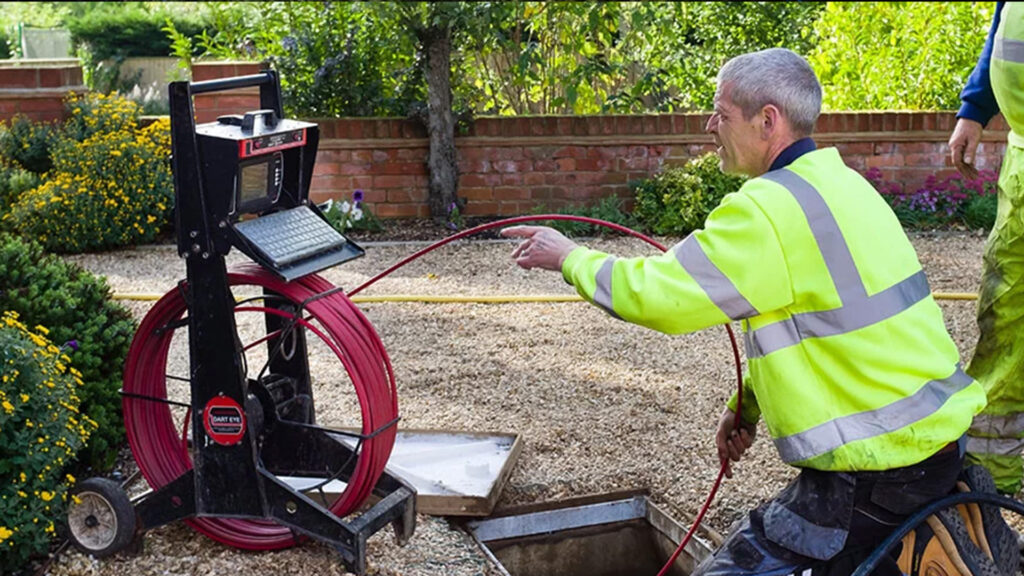
Drainage systems in large facilities operate under constant pressure due to high usage, complex pipe networks, and strict compliance requirements. Whether it is a commercial complex, industrial unit, hospital, or logistics facility, understanding the elements that affect CCTV drain inspection cost is essential for accurate budgeting and effective maintenance planning. Camera-based inspections provide clarity and precision, but their pricing can vary depending on multiple technical and operational factors. Evaluating these factors helps facility managers make informed decisions while ensuring reliable drainage performance.
1. Size and Complexity of the Drainage Network
The overall size of a facility has a direct impact on drain inspection costs. Large facilities often contain extensive underground pipe networks with multiple branches, junctions, and connection points that require thorough assessment. Complex layouts demand longer inspection times and specialized navigation equipment to ensure full coverage. Facilities with interconnected drainage systems serving multiple floors or zones typically require advanced camera systems capable of traversing long distances. As inspection complexity increases, the time, labor, and technical resources involved contribute to higher overall costs.
2. Pipe Diameter and Material Type
Drain inspection pricing is influenced by the diameter and material composition of the pipes being inspected. Large facilities often use a mix of pipe sizes and materials, including PVC, concrete, cast iron, or reinforced systems. Larger diameters require specialized camera heads and stabilization tools to maintain accurate footage. Older materials may demand slower inspection speeds to avoid damage and ensure clear visibility. Variations in pipe construction affect the choice of equipment and inspection approach, which in turn influences overall pricing.
3. Accessibility of Inspection Points
The ease of access to drainage entry points plays a significant role in determining inspection costs. Facilities with clearly marked and easily accessible manholes or cleanouts allow inspections to proceed efficiently. When access points are limited, obstructed, or located in confined spaces, additional preparation may be required. This can include temporary access creation, safety measures, or partial dismantling of surrounding structures. Restricted access increases inspection duration and labor involvement, directly affecting the final cost.
4. Inspection Depth and Coverage Requirements
Large facilities often require comprehensive inspections covering long pipe runs and deep underground systems. The depth and length of the inspection area significantly influence pricing due to increased operational demands. Deeper inspections require robust camera systems with enhanced lighting and signal transmission capabilities. Extended coverage also increases inspection time and data processing requirements. Facilities that request full-system assessments rather than targeted inspections typically incur higher costs due to the expanded scope of work.
5. Level of Detail in Reporting and Documentation
Drain inspections in large facilities often require detailed reporting to support maintenance planning, compliance, or asset management. The level of documentation requested directly affects inspection pricing. Advanced reports may include video recordings, condition grading, defect mapping, and digital schematics. Preparing these detailed deliverables requires additional time for data analysis and report compilation. Facilities that rely on inspection data for long-term infrastructure planning benefit from comprehensive documentation, though it adds to the overall cost.
6. Operational Environment and Usage Intensity
The operational environment of a facility plays a key role in inspection costs. Facilities with continuous operations, such as hospitals or manufacturing plants, require inspections that accommodate ongoing activities. High-usage drainage systems may require slower inspection speeds and repeated passes to capture accurate visuals under flowing conditions. Coordinating inspections around operational schedules can increase labor requirements and extend project timelines, influencing overall pricing.
7. Safety and Compliance Requirements
Large facilities often operate under strict safety and regulatory standards, which can affect drain inspection costs. Inspections conducted in hazardous or regulated environments require additional safety protocols. These measures may include confined-space procedures, specialized protective equipment, or compliance documentation. Adhering to safety standards ensures technician well-being and regulatory compliance, but also adds to the preparation and execution costs of the inspection process.
8. Technology and Equipment Used
The type of camera technology used significantly influences drain inspection pricing. High-definition cameras, robotic crawlers, and advanced sonar or laser profiling systems offer superior accuracy but come at a higher operational cost. Facilities requiring precise defect identification or condition grading benefit from advanced technology. While basic inspections may use standard camera systems, large facilities often require sophisticated tools to navigate complex networks and capture actionable data, impacting the overall cost structure.
9. Frequency of Inspections and Maintenance Strategy
Facilities that conduct inspections as part of a regular maintenance program often experience different cost dynamics compared to one-time inspections. Routine inspections allow service providers to become familiar with the system, improving efficiency over time. Planned inspection schedules support predictive maintenance strategies and reduce emergency callouts. While individual inspections still incur costs, regular assessments often deliver better value by preventing major failures and extending system lifespan.
10. Geographic Location and Market Conditions
Location-specific factors also influence drain inspection costs. Local labor rates, equipment availability, and regional service demand all play a role in pricing structures. In regions with high infrastructure density and strict compliance standards, inspection services may involve additional logistical considerations. Understanding local market conditions helps facility managers evaluate service proposals accurately and align expectations with realistic cost benchmarks.
Conclusion
Drain inspection costs in large facilities are shaped by a combination of technical, operational, and environmental factors. Network size, pipe materials, accessibility, inspection depth, reporting requirements, and safety standards all contribute to pricing variations. By understanding these influences, facility managers can plan inspections more effectively, allocate maintenance budgets wisely, and avoid unexpected expenses. Evaluating factors such as technology use and inspection frequency also helps justify investments when comparing the CCTV drain survey price in Dubai against long-term infrastructure protection and operational reliability.
For large commercial and industrial facilities across Dubai and the UAE, JB ALLO Sewage delivers professional CCTV drain inspection services tailored to complex drainage systems. With advanced equipment, experienced technicians, and detailed reporting, JB ALLO Sewage supports accurate assessments, efficient maintenance planning, and cost-effective drainage management for large-scale properties.
