
Rising energy costs have motivated many homeowners to search for practical ways to lower monthly utility bills. While upgrading appliances and improving insulation often receive most of the attention, one of the biggest opportunities for savings lies in how efficiently a home’s cooling system operates.
The good news is that reducing cooling expenses doesn’t necessarily require major renovations or expensive equipment replacements. In many cases, a combination of smart habits, regular maintenance, and strategic upgrades can make a noticeable difference in both comfort and energy consumption.
Understanding Where Cooling Costs Come From
Air conditioning is often one of the largest contributors to residential energy usage, particularly during long periods of hot weather. When an HVAC system runs inefficiently, homeowners may experience:
- Higher utility bills
- Uneven temperatures throughout the home
- Increased wear on equipment
- More frequent repairs
- Reduced indoor comfort
Several factors contribute to inefficiency, including poor airflow, dirty components, aging equipment, and improper thermostat settings.
Identifying these issues early can help homeowners prevent unnecessary expenses while maintaining a comfortable indoor environment.
Start With Better Airflow
One of the simplest ways to improve cooling performance is by ensuring proper airflow throughout the home.
Restricted airflow forces an air conditioning system to work harder than necessary. Over time, this increased workload can raise energy consumption and accelerate equipment wear.
Homeowners should regularly:
- Replace or clean air filters
- Keep supply and return vents unobstructed
- Remove dust buildup around vents
- Ensure furniture is not blocking airflow paths
These small adjustments can often improve system efficiency more than people expect.
Make Your Thermostat Work Smarter
Thermostat settings have a direct impact on cooling costs.
Many homeowners unknowingly waste energy by keeping temperatures lower than necessary throughout the day, even when nobody is home.
Programmable and smart thermostats allow homeowners to create schedules that automatically adjust temperatures based on occupancy patterns.
Effective thermostat strategies include:
Increasing Temperature During Vacant Hours
Allowing indoor temperatures to rise slightly when the home is empty reduces unnecessary cooling demand.
Using Gradual Temperature Adjustments
Large temperature swings can force systems to work harder. Small, gradual changes often provide better efficiency.
Taking Advantage of Smart Features
Many modern thermostats can learn usage habits and optimize cooling schedules automatically.
These features help balance comfort and efficiency without requiring constant manual adjustments.
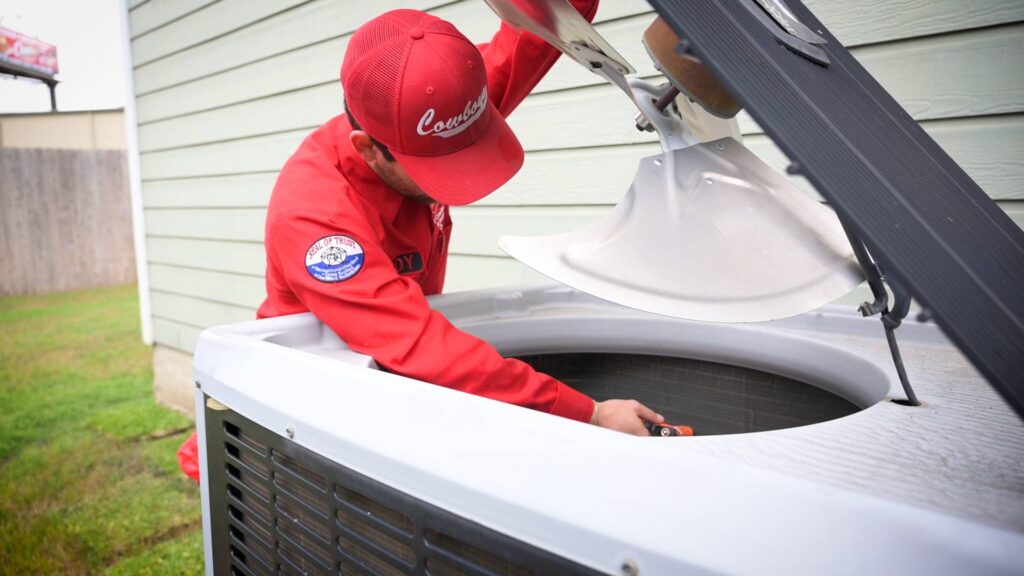
The Importance of Professional System Maintenance
Even the most energy-conscious homeowners can struggle with high cooling costs if their HVAC equipment isn’t operating properly.
Routine inspections help ensure that all components are functioning as intended. During maintenance visits, technicians can identify issues such as:
- Refrigerant imbalances
- Dirty evaporator coils
- Electrical concerns
- Worn components
- Drainage problems
- Airflow restrictions
Addressing these concerns early often prevents larger repairs while helping systems maintain peak efficiency.
Homeowners seeking additional guidance on air conditioning performance, repairs, and maintenance can learn more fromCowboys AC repair specialists, who provide information about common HVAC issues and professional service solutions.
Reduce Heat Gain Inside the Home
Improving HVAC efficiency is only part of the equation. Reducing the amount of heat entering the home can significantly lower cooling demands.
Use Window Treatments Strategically
Direct sunlight entering through windows can dramatically increase indoor temperatures.
Closing blinds, curtains, or shades during peak sunlight hours helps minimize solar heat gain.
Seal Air Leaks
Small gaps around doors, windows, and utility penetrations allow hot outdoor air to enter while conditioned air escapes.
Weatherstripping and caulking are inexpensive solutions that can improve overall efficiency.
Limit Heat-Producing Activities
Appliances such as ovens, dryers, and dishwashers generate additional heat inside the home.
Using these appliances during cooler parts of the day can reduce the workload placed on the cooling system.
Recognizing Signs of an Inefficient Cooling System
Many homeowners assume their system is functioning normally because it still produces cool air. However, subtle warning signs often indicate declining performance.
Watch for symptoms such as:
- Rooms that never seem comfortable
- Excessive humidity indoors
- Frequent cycling on and off
- Rising utility bills without explanation
- Unusual noises
- Weak airflow from vents
These signs may point to underlying issues that reduce efficiency and increase operating costs.
Early intervention is typically less expensive than waiting for a major breakdown.
When Upgrades Become Worth Considering
While maintenance can extend the life of existing equipment, every HVAC system eventually reaches a point where replacement becomes more cost-effective.
Older systems often consume significantly more energy than modern models designed to meet current efficiency standards.
Homeowners may want to evaluate replacement options if:
- Repairs are becoming increasingly frequent
- Energy bills continue to rise
- The system struggles to maintain comfort
- Equipment is approaching the end of its expected lifespan
A professional assessment can help determine whether continued repairs or system replacement offers the better long-term value.
Building a Long-Term Comfort Strategy
Energy savings are most effective when homeowners view cooling efficiency as an ongoing process rather than a one-time project.
Combining multiple strategies creates the greatest impact:
- Maintain equipment regularly.
- Improve airflow throughout the home.
- Optimize thermostat settings.
- Reduce indoor heat gain.
- Address small problems quickly.
- Upgrade aging equipment when necessary.
Together, these steps can improve comfort, lower monthly expenses, and extend the life of HVAC equipment.
Conclusion
Keeping cooling costs under control does not require sacrificing comfort. In fact, many of the most effective energy-saving measures also improve indoor temperatures, air quality, and overall system performance.
By focusing on preventive maintenance, smart thermostat management, airflow improvements, and proactive repairs, homeowners can create a more comfortable living environment while reducing unnecessary energy consumption. Small actions taken consistently often deliver the biggest long-term rewards, making HVAC efficiency one of the smartest investments a homeowner can make.
