
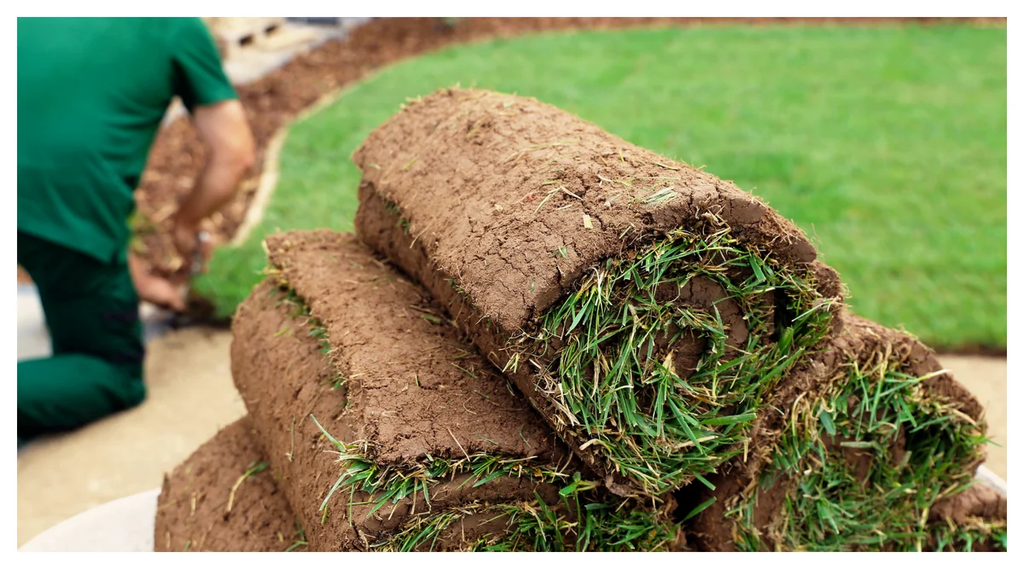
Anyone who has stood in a garden centre trying to decide between turf varieties knows the choice is rarely as simple as picking whichever roll looks greenest on the pallet. The right turf for a property depends on the climate it will grow in, the soil underneath it, and how much sun and foot traffic the lawn will actually get once it is down.
Why turf choice depends on more than looks
A lawn that looks lush in a display bed can struggle within months if it is planted somewhere the variety was never suited to. Warm-season grasses thrive in the heat but can go dormant and brown through a cold winter, while cool-season varieties handle frost far better but often wilt under a harsh summer sun.
Before ordering anything, it helps to think honestly about the conditions the lawn will face across a full year, not just how the yard looks on the day the turf arrives. A north-facing backyard in full sun has very different needs to a shaded side strip that barely sees direct light.
Working with an established Sydney turf supply also means the supplier can talk through which of their varieties actually suit your address, rather than sending out whatever happens to be freshly cut that week.
Local knowledge matters here too, since a variety that performs brilliantly two hours inland can behave quite differently once it is planted somewhere closer to the coast with saltier air and sandier soil.
Reading your soil before you buy
Soil type has a bigger influence on turf success than most homeowners expect. Clay-heavy soil holds water and can suffocate roots if drainage is poor, while sandy soil drains so quickly that grass can dry out within days of a hot spell.
A simple way to check is to dig a small hole after rain and see how long water sits in it. If it is still pooling after several hours, drainage will need addressing before any turf goes down, regardless of which variety is chosen.
Testing pH is worth the extra step too, since some turf varieties tolerate a wider range than others. A soil test kit from a hardware store is inexpensive and takes the guesswork out of what would otherwise be a fairly blind decision.
Matching turf varieties to your climate
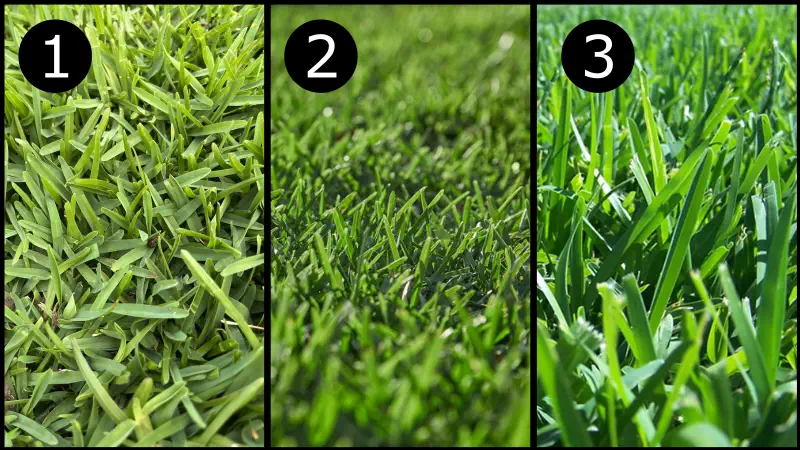
Buffalo varieties are popular across much of Australia because they cope well with heat and moderate shade, making them a sensible default for family backyards that see a mix of sun and dappled light through the day.
Couch grass handles full sun and heavy wear better than most alternatives, which is why it turns up so often on sports fields and front yards that double as a play area for kids and pets.
Kikuyu spreads aggressively and recovers quickly from damage, but that same vigour means it needs more frequent mowing and can invade garden beds if it is not edged regularly during the growing season.
Preparing the ground properly
Skipping ground preparation is the single biggest reason a new lawn fails to establish well. Old grass, weeds, and rocks all need clearing before the soil is levelled, otherwise the new turf will show every lump and hollow underneath it.
Adding a layer of quality topsoil or compost gives fresh turf something nutrient-rich to root into immediately, rather than forcing it to struggle against compacted or depleted ground from the outset.
A light roll of the prepared area helps settle the soil and reveal any remaining soft spots before the turf arrives, saving a round of frustrating repairs once the rolls are already down.
Watering and establishment in the first weeks
New turf needs far more water in its first fortnight than an established lawn ever will. Daily watering, sometimes twice a day in hot weather, keeps the root zone moist enough for the grass to bind into the soil below.
Watering in the early morning reduces evaporation and gives the blades time to dry before evening, which lowers the risk of fungal problems that thrive in lawns left damp overnight.
Foot traffic should be kept to a minimum during this establishment period, since young roots have not yet anchored firmly enough to handle regular use without leaving visible damage behind.
Ongoing turf care through the seasons
Once established, mowing height and frequency should shift with the seasons rather than staying fixed all year round, since grass grows faster in warm months and needs a gentler touch through winter.
Fertilising at the right time of year supports steady, even growth instead of the patchy flushes that come from feeding a lawn only when it already looks like it is struggling.
Plenty of landscaping businesses now track how their services perform online the same way they track a lawn through the seasons, and a straightforward LinkedIn analytics tool can show which service pages are actually bringing in enquiries.
Aerating compacted areas once or twice a year keeps water and nutrients reaching the roots, which matters most in high-traffic patches like the strip beside a path or a well-used side gate.
Common mistakes homeowners make
Ordering turf without measuring the yard properly is a surprisingly common misstep, leading to awkward offcuts or a last-minute scramble for a few extra rolls to finish a corner of the job.
Laying turf in the middle of a heatwave, rather than choosing a milder stretch of weather, puts unnecessary stress on grass that is already adjusting to a completely new root environment.
Mowing a brand new lawn too early, before it has had a chance to properly root, can pull whole sections loose and undo weeks of careful watering and preparation in a single pass.
When to call in a professional
A straightforward flat yard with reasonable soil is well within reach for a confident do-it-yourself job, but larger areas, steep slopes, or drainage problems often turn out cheaper to fix properly the first time with professional help.
A supplier who also offers laying services can usually spot problems with the site before they become expensive, which is worth factoring into the overall cost comparison against doing it alone.
Getting the result you actually want
Choosing turf suited to the climate and soil on hand, rather than whatever variety happens to be cheapest that week, is the difference between a lawn that thrives for years and one that needs replacing within a season.
A little research before ordering, paired with proper ground preparation and consistent watering afterwards, gives any new lawn the best possible start regardless of which variety ends up going down.
