
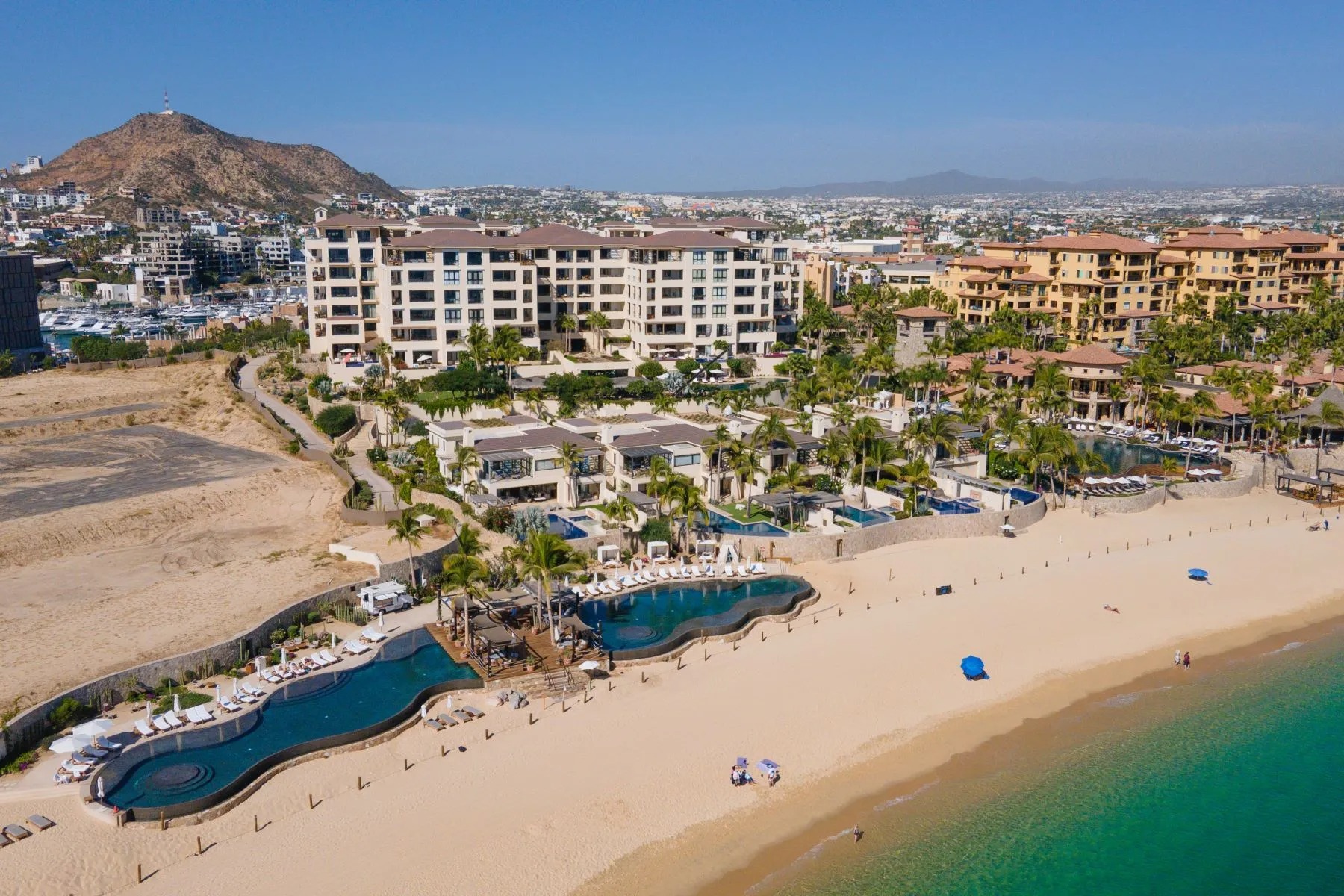
Property values in Los Cabos have climbed roughly 10 to 15 percent year over year in some corridors, and the pipeline of new luxury inventory is not slowing down. For buyers sitting on the fence, that trajectory raises a straightforward question: is waiting going to cost you?
The short answer is that the market has a logic of its own, and understanding it is the difference between a well-timed purchase and an expensive lesson. This guide walks through what is actually happening in Cabo right now, what the legal and financial landscape looks like for foreign buyers, and how to approach the decision with clarity rather than impulse.
Why Cabo San Lucas Keeps Drawing Foreign Buyers
The appeal is not purely about sunshine and margaritas, though those help. Cabo San Lucas sits at the southern tip of the Baja California Sur peninsula, where the Pacific meets the Sea of Cortez. Geographically, it is closer to most major US cities than many domestic vacation destinations, with direct flights from Los Angeles, Phoenix, Dallas, and Houston running under three hours.
Beyond convenience, the numbers are compelling. Mexico’s tourism ministry reported that Los Cabos welcomed over 3.5 million visitors in 2023, a record at the time, and short-term rental occupancy rates in premium areas have remained consistently above 70 percent in peak season. For buyers who intend to rent when they are not in residence, that kind of demand matters.
The buyer pool has also diversified. It is not just retirees seeking a lower cost of living anymore. Remote workers, entrepreneurs, and second-home investors in their 40s and early 50s are increasingly active in the Cabo market. They want a lifestyle upgrade, yes, but they are also running the numbers and treating the purchase as an asset.
Understanding the Legal Framework Before You Sign Anything
This is where many foreign buyers get tripped up. Mexico’s constitution restricts direct foreign ownership of property within 50 kilometres of a coastline, known as the “restricted zone.” That rule sounds alarming at first, but in practice, it has a well-established legal workaround: the fideicomiso.
A fideicomiso is a bank trust. A Mexican bank holds the title to the property on the buyer’s behalf, while the buyer retains all the rights of ownership, including the ability to sell, rent, renovate, lease, or bequeath the property. The trust is renewable, typically structured in 50-year terms, and the annual fees are modest, usually in the range of 500 to 700 US dollars per year depending on the bank and the property value.
The notario is the other critical figure in a Mexican property transaction. Unlike a notary in the United States or Canada, a Mexican notario publico is a highly qualified legal professional appointed by the state. They handle the formal transfer of title, verify the legal status of the property, calculate and collect applicable taxes, and register the deed with the Public Registry. You cannot close a legitimate property transaction in Mexico without one.
A few other legal points worth knowing before you sign anything:
- CFDI receipts: All major payments should generate official tax receipts from the seller or developer.
- Predial (property tax): Annual property taxes in Mexico are low by North American standards, often a fraction of what you would pay on a comparable US property.
- Capital gains on resale: Mexico does have capital gains tax on property sales. The rate and applicable exemptions depend on residency status and how the transaction is structured, so qualified tax advice upfront saves money later.
For buyers who want to go deeper on the legal steps involved, MexHome offers multilingual support and educational resources that walk through the Mexican property purchase process in detail, which can be genuinely useful when navigating these requirements from another country.
The Cabo Market in 2025: Where the Opportunities Actually Are
Not all of Cabo is created equal. The municipality of Los Cabos encompasses several distinct corridors, and each has a different risk and return profile.
Cabo San Lucas proper is the most internationally recognised name and draws the highest concentration of short-term rental demand. The marina district, Medano Beach, and the Pedregal hillside all command premium pricing, but they also have the liquidity to match. Buyers who explore listings in Cabo San Lucas will find everything from beachfront condos under 400,000 US dollars to multi-million dollar estates with Sea of Cortez views.
The Corridor stretching between Cabo San Lucas and San José del Cabo is home to most of the marquee resort developments, including Quivira, Diamante, and Palmilla. Pre-construction pricing in gated communities here has been among the strongest performing over the past three years, though entry points have risen considerably as a result.
San José del Cabo tends to attract buyers who want a more settled, community-oriented lifestyle rather than the nightlife energy of Cabo proper. The art district, international airport proximity, and quieter pace appeal to long-term residents and retirees especially.
Todos Santos and La Paz, further north on the peninsula, are drawing attention from buyers priced out of Cabo who want a slower version of the Baja lifestyle. Prices are still relatively accessible, though that window is narrowing.
For buyers trying to navigate which area fits their goals, getting matched with a bilingual agent who specialises in a specific corridor is genuinely useful, not just a convenience. That kind of localised, multilingual support matters when you are making a decision this significant from another country.
Financing: What Foreign Buyers Can Actually Access
One persistent myth is that foreigners cannot get a mortgage in Mexico. That is not accurate, though the options are fewer and the terms are different from what buyers are used to at home.
Mexican banks do offer mortgages to foreign buyers, but interest rates are higher, typically in the 9 to 12 percent range, and maximum loan-to-value ratios are lower than in the US or Canada. As a result, many foreign buyers finance their purchase through home equity lines of credit on US or Canadian properties, developer financing, or private lenders who specialise in the Cabo market.
Developer financing, particularly on pre-construction projects, is often structured as interest-free instalment plans during the build phase, with the balance due on delivery. This can be an effective way to spread the cost without paying Mexican bank interest rates. The trade-off is that pre-construction carries its own risk, including developer delays, scope changes, and the importance of vetting the developer’s track record carefully before committing.
Common Mistakes That Cost Buyers Time and Money
Even well-researched buyers can stumble on process details. A few patterns come up repeatedly:
- Skipping independent legal review. A developer’s attorney works for the developer. Budget for your own legal counsel before signing anything.
- Underestimating closing costs. Closing costs in Mexico typically run between 4 and 7 percent of the purchase price, covering acquisition tax (ISAI), notario fees, fideicomiso setup, and registration fees. Factor this into your budget from day one.
- Not verifying title history. A clean title search is not optional. Ejido land issues and unresolved liens are real, and your notario should conduct a full title search before you commit.
- Assuming the HOA situation is straightforward. Condo developments in Cabo vary widely in how they are managed, what the monthly fees cover, and how reserves are maintained. Ask for two to three years of HOA financial statements if possible.
- Buying without seeing it in person. Remote purchases happen, but if there is any way to visit before signing, do it. Photos and virtual tours are not a substitute for understanding the actual location, noise levels, and neighbourhood character.
Key Takeaways
- The fideicomiso trust system gives foreign buyers full effective ownership rights within Mexico’s restricted coastal zone. It is legal, well-established, and widely used.
- Closing costs typically range from 4 to 7 percent of the purchase price. Not accounting for them upfront is one of the most common budgeting errors foreign buyers make.
- Cabo San Lucas, the Corridor, and San José del Cabo each serve different buyer profiles. Matching the location to the actual use case matters more than chasing the most recognisable name.
- Pre-construction offers entry pricing advantages but requires careful developer due diligence. Not all developers have equal track records.
- Working with a bilingual, market-specific agent reduces the risk of misunderstanding contract terms, local customs, and neighbourhood dynamics.
Frequently Asked Questions
Can Americans and Canadians legally own property in Cabo San Lucas? Yes. Foreign nationals can own property in coastal areas through a fideicomiso bank trust, which grants full effective ownership rights including the ability to sell, rent, and inherit the property. The process is well-established and handled by a Mexican notario.
What are the typical closing costs when buying property in Mexico? Expect to budget between 4 and 7 percent of the purchase price for closing costs. This includes acquisition tax (ISAI), notario fees, fideicomiso setup, and public registry costs. The exact figure varies by municipality and property type.
Is Cabo San Lucas a good market for rental income? For properties in high-demand locations such as the marina area and beachfront zones, short-term rental yields can be attractive. Occupancy rates in peak season regularly exceed 70 percent in well-located properties. Management costs, platform fees, and local regulations all affect net returns, so modelling the numbers carefully before purchase is essential.
Do I need a Mexican attorney separate from the notario? The notario ensures the transaction is legally valid, but they represent the transaction itself, not either party. Hiring an independent attorney to review contracts and protect your specific interests is strongly recommended, especially for pre-construction purchases or complex transactions.
How long does a typical property transaction take to close in Mexico? A resale transaction through a notario typically takes four to eight weeks from signed offer to deed registration. Pre-construction timelines vary significantly depending on the development stage and payment structure. Factor in potential delays related to document apostilles if you are providing foreign paperwork.
Closing Thoughts
Cabo San Lucas real estate in 2025 is not a market for people who want to move slowly and hope prices wait for them. But it is also not a market you should rush into without understanding the legal structure, the local geography, and the costs involved.
The buyers who fare best here are the ones who come in prepared: they understand how fideicomisos work, they have accounted for closing costs, and they have a clear picture of what they actually want from the property. Whether that is a rental income play, a retirement base, or a place to escape winter for three months a year, the market can serve all of those goals well. The key is knowing which part of it serves yours.
