
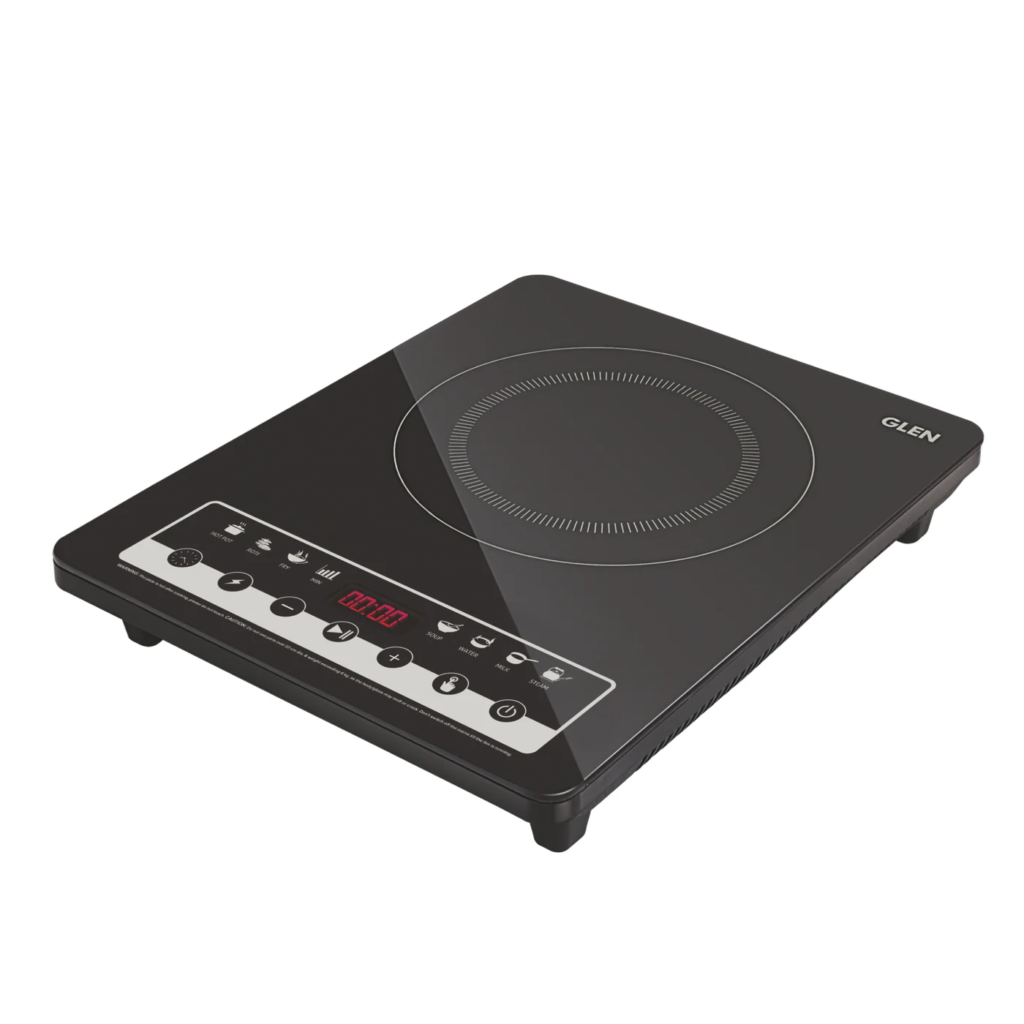
An induction cooking stove turns out to be way more than just some fancy appliance. It stands as a real practical step up for any modern kitchen that really wants speed, cleanliness, and efficiency in its daily work. Induction cooking is a huge improvement if you want to quickly heat water or let a curry bubble without constantly adjusting the fire. All it does is make the process go more smoothly.
This blog covers the main factors that set the price of induction cooktops. It also breaks down the important features worth considering. Plus, there is a checklist to help pick the best model for your place.
What Factors Affect the Price of Induction Cooktops?
The cost of induction cooktops can vary greatly. From single-zone plates to high-end multi-zone hob units, several factors come together to determine how much you actually pay for one. Some important factors that affect an induction cooking stove‘s price and functionality are as follows:
- Number of Cooking Zones and Size
- Wattage & Efficiency (Power Output)
- Material of Construction and Surface Quality
- Additional Features & Technology
- Portability and Ease of Installation
Let’s look at each of these to see why they are so important.
1. Number of Cooking Zones and Size
The most basic factor is: how many pots or pans do you want to cook on at once?
- Single-zone cooktops are compact, budget-friendly options for singles or small apartments.
- Better wattage and flexibility are offered by double- or triple-zone cooktops, which are very suitable for large families or people who simply love to multitask-for instance, boiling rice while cooking gravy.
- Full hob-style units with 3–4 zones, or more, are larger and generally more expensive but offer versatility akin to a built-in stove setup.
- More cooking zones result in more electronics, improved heat distribution, and more surface area, all of which drive up costs.
One should always match the number of zones to their cooking habits. See, an occasional cook can get by with one or two zones, whereas heavy cooks and larger families benefit from multiple zones.
2. Power Output(Wattage) & Efficiency
The specifications in watts and efficiency will convert immediately to how fast the cooktop heats up and how evenly cooking might be.
- Higher loading units (1800-2200W and beyond) will heat faster and take care of the heavier things like deep frying or fast boiling; lower loading units will take longer to heat, but save electricity.
- Efficiency matters: A real good induction cooking stove works with the minimum heat loss by transferring energy directly to the pan. However, poor quality units waste energy, normally causing slower cooking and more consumption of power.
- Price per watt and price per efficiency at the same time saved costs in the short run, but pay back very significantly in the longer term in energy savings and speed.
3. Material of construction and surface quality
Not all are equal. A lot of build quality problems will affect the induction cooktops’ durability, looks, and maintenance.
- Ceramic glass tops: Smooth, easy cleaning; the costlier ones have thicker glass that is heated and scuff-resistant. These are pricey in comparison to others.
- The edges or body frames made of stainless steel provide durability and a sturdier feel, adding to the cost.
- Cooling fans and heat insulation underneath: Better build promises a longer life and, again, safer usage, bumping up the price.
The cheaper units would tend to have thinner glass, a weak frame, or poor insulation-all these aspects could mean quicker wear or even cracking. Paying a bit more often gets you a longer-lasting cooktop.
4. Additional Features & Technology
Basic models may have only an ON/OFF knob, while premium units throw in features that greatly impact the user experience and the price.
- Digital touch controls are easy to use and very sleek in appearance.
- Safety locks and automatic shutdown mechanisms provide extra peace of mind for homes with children.
- Temperature sensors/timers will assist you in cooking more efficiently-unless, of course, you’re busy watching a favorite sitcom.
- Once the cookware is placed on the cooktop, only then will the pot heat up; otherwise, there will be no heating due to pot recognition safety or an overheating mechanism.
Basic models are usually safer and more practical, so these added benefits come with an extra charge.
5. Portability and Ease of Installation
Another factor is whether the cooktop is built-in or portable.
- They are cheaper and portable; you can move them around, take them to houses, or even use them on your balcony.
- In-built or hob-type units normally need some installation, more wiring, better build quality, hence a higher price, but greater stability and “permanent kitchen” feel.
- This portable induction cooktop can be sufficient if you rent, move often, or have a small kitchen. In the case of a long-term setup for your kitchen, it’s often worth it to invest in a built-in version.
How to Choose the Best Induction Cooktop for Your Kitchen.
There will be endless choices for induction cooking stoves regarding features and sizes. What you need is to narrow down the options to just a few key features, and it will make your decision much easier.
Identify Your Cooking Needs
Just sit and think of how you manage your everyday meals. Frying, boiling, or fast cooking would probably best be done using high-wattage units-1800 W and above. A medium-wattage cooktop would be just fine for lighter meals or the infrequent occasion of cooking, in fact, more efficient.
Check Cookware Compatibility
Induction cooktops require magnetic-bottomed cookware. If your current pots and pans aren’t induction compatible, cooking won’t be even. Planning for induction-ready utensils ensures smooth cooking. Portable vs. Built-in Portable cooktops provide flexibility and easy setup, while models that are built-in provide stability, extra zones, and a sleek kitchen look.
Useful Features
Before selecting a cooktop, you should always consider factors like digital controls, auto shut-off, easy-to-clean surfaces, and safety locks. Having such few conveniences does make all the difference in daily use. Once all these criteria are met, you can choose an induction cooktop that fits your lifestyle without going over budget by following these steps.
Why Some Brands Stand Out
You may be tempted to simply choose the least expensive induction stove available and be done with it; however, low-cost models nearly always have trade-offs: poorer heating performance, lower quality materials, less reliable construction and non-existent safety features. The experience of owning one of these cheap models usually results in disappointment rather than satisfaction.
A better option could be to look toward induction cooking stoves from companies that actually understand real-world cooking needs, speed, safety, reliability, and build accordingly. One example would be Glen Appliances. Their products boast touch sensor control technology, options for timers, and varying wattage choices. By investing in such a well-designed cooktop, you get fewer problems, fewer replacements, and a whole lot more cooking joy.
Final Thoughts!
To anyone seriously wanting a clean, efficient kitchen fitted for modern living, an induction cooktop offers a combination that’s hard to beat: speed, safety, energy savings, and convenience. Several companies out there make reliable induction cooking stoves these days.
Brands like Glen Appliances design their products to fit everyday cooking habits without adding too much complication to the mix. Homes that want a dependable cooktop with solid performance and lasting durability will find these choices to be a pretty strong option still.
