
Protein used to have a fairly predictable image. Chicken breast, eggs, whey shakes, maybe a grilled piece of fish if you were feeling extra health conscious.” And then plant based nutrition started expanding past niche grocery shelves and an unlikely contender started appearing everywhere: pea protein.
It was the same humble ingredient that so many pushed around their dinner plates in childhood, but somehow made its way into protein powders, meat alternatives, snack bars, dairy free beverages and fitness conversations. Sounds a little odd at first. But look closer and pea protein starts to make a lot more sense.
So What Exactly Is Pea Protein?
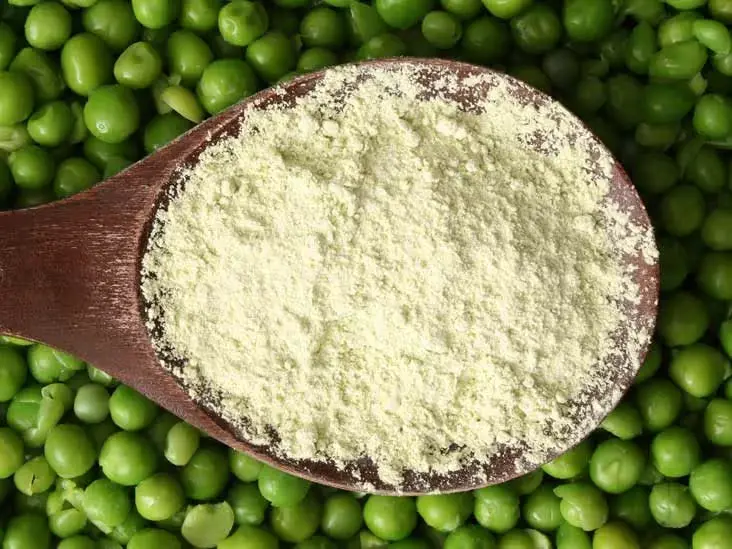
Pea protein usually comes from yellow split peas, not the sweet green peas you might picture next to mashed potatoes. Processing methods are used by manufacturers to separate and concentrate the protein content, creating products such as pea protein isolate, concentration or textured forms for food applications.
What you get is a pretty good nutritional profile plant-based protein source. It’s high in essential amino acids, but like many plant proteins it’s not perfectly balanced among the categories compared with some animal proteins. Yet it does surprisingly well in many nutritional discussions.
One reason people are flocking to pea protein is because it’s practical. It is of course free of dairy, soy and made to accommodate vegetarian and vegan diets. That flexibility is important for people managing allergies, dietary preferences, or digestive sensitivities. And frankly, in a food environment where ingredient lists are beginning to resemble chemistry tests, there is something appealing about simplicity.
Why Is Pea Protein So Popular Right Now?
It’s not like the explosion of pea protein came out of nowhere. Consumer behavior is changing. There’s a growing interest in plant forward diets, cutting back on meat, trying alternative nutrition strategies or just finding other sources of protein. That doesn’t necessarily mean everyone is going vegan.
A lot of consumers are living in the middle. They might eat meat occasionally but want more plant-based options in their routine. That’s a perfect fit for pea protein. Food makers like it for practical reasons, too. It offers useful functional properties like texture, emulsification and formulation flexibility. That’s one reason you see pea protein popping up in everything from burgers and shakes to cereals and frozen desserts.
I found Roots Analysis and they told me that this market is growing quickly with an increase in interest in alternative proteins and plant-based innovation. The pea protein market size is expected to grow from USD 1.5 billion in 2024 to over $ 5.59 billion by the year 2035, at a CAGR of 12.71% during the forecast period 2024-2035. Those numbers are about more than diet fads. They point to changing consumer expectations related to nutrition, sustainability and ingredient diversity.
Pea protein is transitioning from a health-conscious product to a household name.
Nutrition: The Benefits of Pea Protein
This is typically where the conversation becomes practical. Consumers want to know if pea protein is worth the nutrition or just riding the wave of plant based marketing hype. The answer is even.
Pea plant-based protein content and can support muscle recovery and satiety and general dietary goals. Many of the protein powders that are based on pea protein provide big servings of protein that are comparable to other supplement options
It is being used more and more by athletes and active people, especially those avoiding dairy based whey products. Taste and texture, however, can be polarizing. Some of the pea protein products mix up very well and taste surprisingly good. Others have what people politely call a “earthy” flavor profile. Translation: sometimes it really does taste like plants.
The quality of the formulation matters enormously here. Manufacturers have come a long way in masking tastes, improving textures and blending pea protein with complementary ingredients. Still, consumer experience can vary widely from one product to another.
Sustainability Shapes the Conversation
The appeal of pea protein is partly not just nutritional. Many consumers are concerned about the environment. Peas usually require less water and can be useful in crop rotation systems in agriculture. In discussions about sustainability, plant based protein sources often favourably compared to some resource intensive animal protein systems. Of course, sustainability conversations need nuance.
Food systems are complex. All farming methods, transport, manufacturing processes, packaging and supply lines affect the environment. There are no perfect heroes or villains in the debates around nutrition sustainability. Still, pea protein is viewed by many consumers as part of a broader push to explore protein systems with possibly lower environmental footprints. That view has helped spur industry interest.
Pea Protein in Everyday Foods
One interesting thing about pea protein is how stealthily it has crept into everyday grocery experiences. It’s not just for sports nutrition tubs anymore. Pea protein is often used in plant-based meats to help replicate texture and structure. Used in dairy alternative products to fortify with protein. Snack brands put it in bars, chips and functional foods.
Some consumers actively look for it. Others encounter it without even knowing it. This expansion signals something important about food innovation today. Consumers are looking for foods that offer an appropriate balance of nutrition, convenience, dietary compatibility and sensory appeal. There is no simple formula for that.
Food scientists work hard to create ingredients to meet those conflicting needs. Pea protein surprisingly fits very well into many of those development goals.
Problems and Criticisms of Pea Protein
But pea protein, despite all its momentum, isn’t universally adored. Taste remains a common complaint. Texture challenges may also be encountered, especially in some beverages or protein products where mouthfeel is important. There are also nutritional arguments.
Some critics argue highly processed plant-based protein products shouldn’t be given a free pass on health simply because they are plant-based. This is a point worth thinking about. And even a highly processed protein snack requires a bit more thought than the origin of the ingredients.
Price sensitivity is also a factor. Depending on the category of product and formulation, plant based protein products can be priced at a premium, limiting accessibility for some consumers. Like most food fads, pea protein has real benefits, commercial excitement and is constantly being improved.
Conclusion: More Than Just Another Plant Based Fad
Pea protein has grown from a relatively niche ingredient to become a major player in the wider conversation around nutrition, food innovation and alternative protein sources. Its appeal is driven by a range of factors including dietary flexibility, functional versatility, nutritional value and the ability to meet evolving consumer preferences.
Not good. Taste debates, processing questions and formulation challenges remain part of the story. The growing presence of pea protein in grocery aisles, fitness products and plant based foods suggests something important. Consumers are re-imagining what protein is.
And sometimes the future of nutrition doesn’t come in dramatic reinvention. Sometimes it comes quietly, wrapped up in a smoothie, a meat alternative burger or a protein bar constructed around an ingredient many once underrated. Seems peas had a bigger career path than anyone imagined.
