
Remote onboarding brings unique challenges: new hires often feel isolated, struggle to connect with colleagues, and take longer to understand team dynamics. Traditional orientation methods lack the immediacy and personal touch needed for distributed teams. To overcome these barriers, organizations increasingly turn to Workplace DISC Profiles and Training modules tailored for remote environments. These tools offer a structured way to decode communication preferences, encourage team cohesion, and provide actionable insights for both managers and employees. By integrating behavioral assessments and targeted training into digital onboarding, organizations quickly bridge the gap between new hires and established teams, leading to a more confident and engaged workforce from day one.
Decoding Behavioral Styles in Virtual Environments
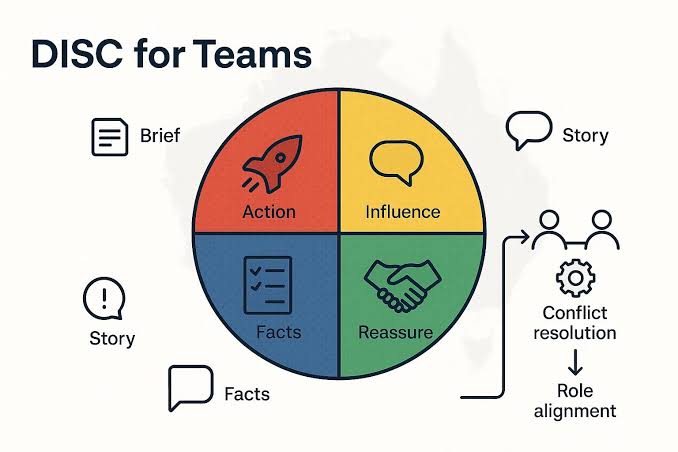
Identifying how team members prefer to communicate and make decisions is especially important when face-to-face cues are absent. Workplace DISC profiles categorize behavior into four main types—Dominance, Influence, Steadiness, and Conscientiousness—helping managers understand each employee’s style. For instance, a remote worker with a high “Influence” profile may thrive in video meetings and collaborative platforms, while someone with a “Conscientiousness” preference may prefer detailed written instructions. By referencing the impact of behavioral assessments in remote teams, leaders can tailor onboarding conversations and assign mentors who match new hires’ communication strengths. This targeted approach reduces misunderstandings and speeds up the process of building trust across distances.
Integrating Personality Assessments into Digital Orientation
Embedding personality assessments within the onboarding workflow ensures that new hires receive immediate feedback about their own work style and how it fits with the team. Many organizations include DISC-based self-assessments in the first week, allowing managers to review results and customize training plans. The process often starts with an online questionnaire, followed by a debrief session where responses are translated into practical tips for remote communication. Including these steps in digital orientation helps managers proactively address common sources of friction, such as misaligned expectations or unclear feedback channels. The benefits of Workplace DISC Profiles and Training become clear as onboarding programs use results to inform pairing for group projects and select appropriate virtual meeting formats. This behavioral insight allows teams to anticipate and resolve issues before they escalate, creating a smoother onboarding path for everyone involved.
Designing Interactive Virtual Modules for New Hires
Effective remote onboarding relies on well-designed training modules that engage new employees in active learning. Virtual modules built around Workplace DISC Profiles and Training modules can include scenario-based exercises, role-play simulations, and real-time feedback. For example, a module might present a communication challenge and prompt new hires to respond in a way that aligns with their DISC style, followed by automated feedback to reinforce best practices. Interactive elements such as polls, quizzes, and breakout discussions help new hires practice adapting their approach to different personality types. Incorporating interactive learning strategies for remote onboarding ensures these modules are both practical and memorable, accelerating the transition from observer to active team contributor.
Measuring Engagement and Retention Through Behavioral Data
Tracking engagement and retention during remote onboarding requires more than just monitoring completion rates. By collecting and analyzing behavioral data from DISC assessments and interactive modules, organizations gain insight into how new hires are adapting. For example, participation rates in group discussions, feedback scores on communication exercises, and follow-up survey responses all reveal whether employees feel connected and supported. Teams can use this information to identify patterns: perhaps new hires with certain DISC profiles need extra support, or a particular training module consistently boosts confidence. These insights allow organizations to refine their onboarding process and ensure every new team member receives the guidance they need to succeed.
Conclusion
Matching onboarding methods to individual behavioral profiles streamlines the remote integration process. Organizations ready to accelerate remote onboarding should incorporate personality-based assessments and interactive modules as foundational elements. Start by selecting a DISC-based training framework and collaborate with team leaders to embed these insights into every stage of digital orientation.
