
Drug-Free Relief for Dads Carrying Back Pain and Daily Stress
Dads tend to put their own aches at the bottom of the list. Between school drop-offs, work deadlines and the kid and gear that somehow end up on one shoulder, a stiff lower back and a permanently tight neck start to feel normal. This Q&A walks through what massage, chiropractic and acupuncture involve, and what men commonly use them for, without drugs and without hype.
Can a Scottsdale dad get massage therapy for back pain and stress?
Yes, many dads in the Scottsdale area book massage therapy for exactly those two reasons, and it is a reasonable drug-free place to start. Massage is hands-on work on muscle and soft tissue, and people commonly seek it for tight backs, stiff shoulders and the feeling of being wound up. Many people say they feel looser and calmer afterward, though results vary and no single session can promise a particular outcome.
One local option is Ryder Chiropractic, the Old Town Scottsdale chiropractic, acupuncture and massage practice of Dr. Tracey Ryder, DC, a chiropractor since 2003 and board certified acupuncturist in Arizona. The practice states that it builds individualized care plans and looks for root causes rather than masking symptoms. That framing is useful for any dad shopping around, because it shifts the question from which technique is best to what is actually driving the discomfort.
Searching for massage therapy in Scottsdale turns up plenty of spas, so it helps to know what a clinical setting can offer. The practice’s massage therapists work in fourteen modalities, including deep tissue, sports, prenatal and trigger point, which means a dad with a desk-bound upper back and a weekend-warrior lower back can ask for different work on different days.
Why do busy dads end up with sore backs and tight shoulders?
Usually because the same few habits repeat for years. Long stretches of sitting, lifting a toddler from awkward angles, hunching over a laptop at night and sleeping in whatever position the youngest allows all load the same muscles again and again. Stress adds another layer, since many people carry tension in the neck, shoulders and jaw without noticing.
The ADA lists stress as a common cause of teeth clenching and jaw tension on its consumer education site, which is a reminder that a stressful week can show up in places that seem unrelated to the spine. A dad who wakes with a sore jaw and a tight upper back may be dealing with one pattern rather than two separate problems. That is worth mentioning to any practitioner at the first visit.
None of this makes a dad fragile. It simply means the body keeps a record of how the week went, and the record is easier to read when you pay attention early. Some of the most common patterns look like this:
- Desk posture, with rounded shoulders and the head drifting forward
- Lifting kids, groceries and gear, often while twisted
- Weekend sports or yard work after a week of sitting
- Poor sleep, which may leave muscles feeling tighter the next day
Stress and posture also feed each other. A tense day tends to pull the shoulders up and the chin forward, and that posture then keeps the muscles working harder than they need to. Breaking the loop usually takes a mix of movement, rest and hands-on care rather than any single fix.
What does a chiropractor do for a stiff back?
A chiropractor examines how your joints and the surrounding muscles are moving, then uses adjustments on areas that seem restricted. Dr. Tracey Ryder graduated from New York Chiropractic College in 2003 and has practiced for more than 20 years. She adjusts both manually and with an instrument, and the instrument delivers a light impulse without twisting.
That gentler style suits sensitive joints, older patients, kids and anyone who simply prefers it, so a dad put off by the twisting-and-popping stereotype can treat the technique as a choice rather than a requirement. Chiropractic is commonly sought for back and neck stiffness. A good practitioner explains what they find and what they recommend before anything is done.
A first visit typically starts with questions about where it hurts, what your days involve and what you have already tried. From there, the practitioner looks at posture and movement, talks through the findings and proposes a plan. Dads who feel rushed elsewhere may find that conversation as valuable as the adjustment itself.
What is acupuncture like, and who oversees it in Arizona?
Acupuncture is a quiet visit in which a practitioner places thin, sterile, single-use needles at selected points while you rest in a calm room. Many people describe the experience as relaxing, and men often seek it for muscle tension, stress and general aches. It is not a replacement for prescribed medication, and anyone who takes medication should keep following their doctor’s guidance.
Acupuncturists in Arizona are licensed by the Arizona Acupuncture Board of Examiners, so it is reasonable to ask any provider about credentials. Dr. Tracey is board certified in acupuncture by the State of Arizona, which means a dad can talk through his back and his stress with one clinician who also understands his chiropractic picture.
How do chiropractic, acupuncture and massage compare?
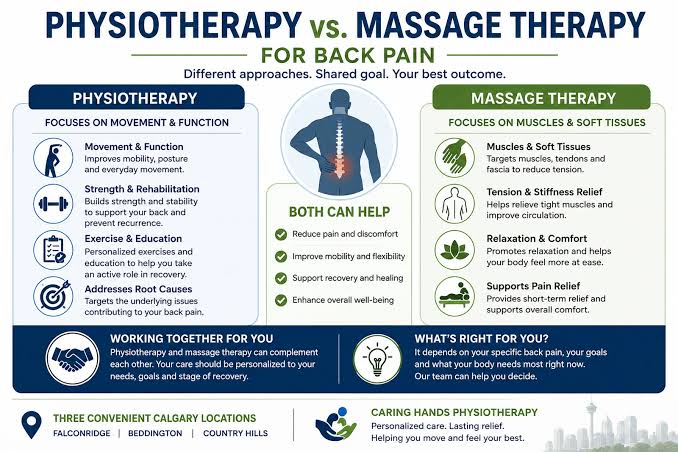
In short, chiropractic works on joint movement through adjustments, acupuncture uses thin needles at selected points in a quiet room, and massage works directly on muscle and soft tissue, and many people use more than one of them together.
- Chiropractic: What a visit involves: Exam, then manual or instrument adjustments; Commonly sought for: Back and neck stiffness
- Acupuncture: What a visit involves: Thin, sterile, single-use needles while resting; Commonly sought for: Tension, stress, general aches
- Massage: What a visit involves: Hands-on work on muscle and soft tissue; Commonly sought for: Tight muscles, winding down
A practical note on massage: pressure is adjustable. Deep tissue and trigger point work can feel intense in a specific spot, while sports and lighter styles move more broadly through the muscle. Telling the therapist how much pressure you want, and speaking up if it becomes too much, is part of getting a useful session.
At Ryder Chiropractic, the three can sit in one plan, sometimes in the same visit, because Dr. Tracey is also the acupuncturist and licensed massage therapists work down the same hallway. For a dad with a packed calendar, one stop instead of three appointments across town is a practical advantage, and it lets the providers work from the same picture of what is going on.
How can a busy dad start without rearranging his whole week?
Start small and be specific. In late 2026, with the school year in full swing and the holidays approaching, calendars fill fast, so a short, focused first appointment is more realistic than a grand plan. Pain that is severe, sudden or comes with numbness or weakness deserves a medical evaluation first.
Before booking anything, it helps to jot down answers to a few questions:
- Where do you feel it, and when is it at its worst?
- What does a typical day ask of your body: sitting, lifting, driving?
- Are there past injuries, medications or conditions a practitioner should know about?
- Do you prefer firm pressure or a lighter touch, and manual or instrument adjusting?
Back pain and stress rarely arrive alone, and drug-free options work best when they are matched to how a person actually lives. Massage, chiropractic and acupuncture each offer a different doorway, and an honest practitioner will tell you what they see rather than what you want to hear. For a dad who has been quietly putting up with it, asking a few good questions is a sound first step.
