
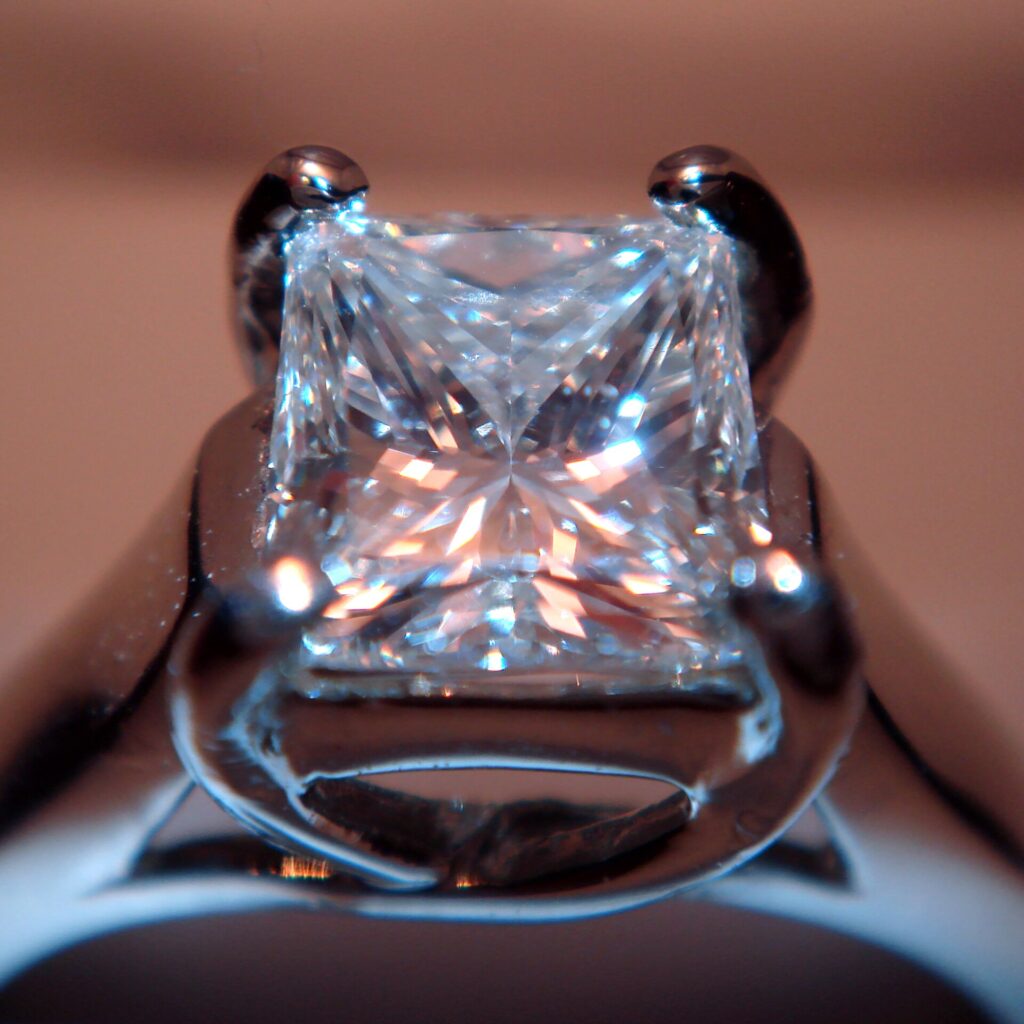
The diamond counter has a disruption problem. Stones grown in laboratories over a few weeks — chemically, physically and optically identical to diamonds mined from the earth — now sell for a fraction of the price of their natural counterparts, and buyers, especially younger ones, are choosing them in rapidly growing numbers. An industry built for a century on scarcity is having to learn what happens when scarcity ends.
The technology has matured quietly. Two methods dominate: high-pressure, high-temperature presses that mimic the conditions deep in the earth, and chemical vapour deposition, in which a thin diamond seed grows layer by layer in a plasma reactor. Both now produce large, high-clarity stones routinely. As our technology coverage has tracked, the point at which even expert gemmologists need laboratory instruments to tell grown from mined arrived some time ago.
A Price Collapse With Winners and Losers
Wholesale prices for lab-grown stones have fallen dramatically as production scaled, particularly in India and China, the industry’s manufacturing centres. Retail prices followed: a lab-grown stone that once sold at a modest discount to a mined equivalent may now cost seventy to ninety per cent less. For consumers, that buys a visibly larger, clearer stone for the same budget — a trade most engagement-ring buyers, once they see both options side by side, find compelling.
For the mined industry, the pressure is structural. Major producers have cut prices, written down inventory values and rethought their strategies as lab-grown stones take a substantial share of the American engagement market, the world’s largest. Some mining companies that once sold their own lab-grown lines at premium prices have exited that business to defend the natural category instead.
Marketing Scarcity Against Abundance
The industry’s response has split in two. Natural diamond interests emphasise rarity, geological romance and resale value — though jewellers privately concede most diamonds of any origin resell poorly. Lab-grown sellers emphasise value, identical beauty and, often, environmental credentials. That last claim deserves scrutiny: growing diamonds is energy-intensive, and a stone grown using coal-fired electricity carries a real footprint, a nuance reported in coverage by the BBC and others examining the sector’s green claims.
Regulators have stepped into the language battle. Trade authorities in the United States and Europe have ruled on how stones must be described, requiring clear disclosure of laboratory origin while also recognising that a lab-grown stone is, in fact, a diamond. Detection equipment has become standard at jewellers and grading laboratories, embedding verification into the supply chain.
What Jewellers Do Next
Retailers are adapting pragmatically. Many now stock both categories, using lab-grown stones to win the engagement sale and natural stones for customers who value rarity. Fashion jewellery is being transformed more completely: designs that required small mined stones at high labour cost can now use larger grown stones profitably, expanding what designers attempt. Meanwhile, lab-grown material is finding industrial uses — in cutting tools, heat spreaders for electronics and quantum research — where performance, not romance, sets the price.
Analysts expect prices for standard lab-grown stones to keep falling towards a floor set by production cost, behaving like other manufactured goods. The interesting question is whether the natural market stabilises as a smaller luxury niche — the way mechanical watches survived the quartz crisis by becoming craft objects — or keeps losing ground as a generation raised on grown stones becomes the core buying public.
The Bottom Line
Lab-grown diamonds show what happens when technology makes a luxury abundant: value migrates from the material itself to design, brand and story. The stones are identical; the market built around them is being rebuilt from first principles — much like the very different market for keeping cities cool, examined in our report on urban heat islands and cool-roof programmes.
