
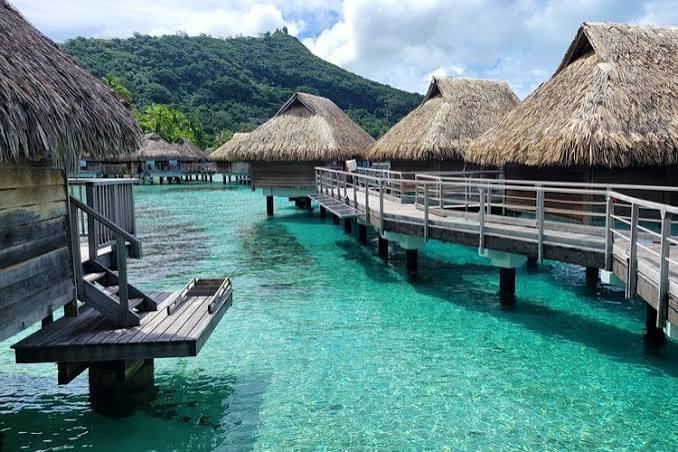
Bora Bora sits at a unique intersection of aspiration and confusion for American travelers. It is one of the most recognized island destinations in the world, yet the actual process of booking a trip there — particularly an all-inclusive one — is frequently misunderstood. The gap between what travelers expect and what they actually encounter has less to do with the destination itself and more to do with the assumptions people carry into the booking process.
Part of this stems from how US travelers typically think about all-inclusive travel. Most Americans build their mental model of all-inclusive vacations around Caribbean resorts, where the format is well-established, standardized, and widely available at various price points. French Polynesia, which governs Bora Bora, operates under a fundamentally different tourism structure. Applying Caribbean logic to a South Pacific booking decision leads to real problems — missed expectations, unexpected costs, and itineraries that don’t hold up once you land.
The following is a practical breakdown of the most common mistakes US travelers make when planning this type of trip, and why those mistakes happen in the first place.
The All-Inclusive Model in Bora Bora Works Differently Than Most Travelers Expect
When Americans search for all inclusive bora bora trips, they tend to expect the same bundled structure they’ve encountered at large resort chains in Mexico or the Dominican Republic — unlimited food and drink, on-site entertainment, airport transfers, and everything wrapped into one flat rate. That model does not translate directly to Bora Bora. The island’s resort ecosystem is built around luxury overwater bungalows and a hospitality culture that is more curated than comprehensive. What gets included in a package, and what gets charged separately, varies considerably between properties and operators.
This distinction matters because it affects the total cost of the trip in ways that don’t become obvious until after booking. A traveler who budgets based on a Caribbean all-inclusive mental model may find themselves significantly underestimating their actual spend. Understanding how all inclusive bora bora trips are structured by operators who specialize in French Polynesian travel helps travelers make more accurate comparisons and more grounded decisions.
Resort Fees and Add-Ons Are More Common Than Travelers Anticipate
Even packages marketed as all-inclusive in Bora Bora often carry separate charges for excursions, alcohol beyond a certain category, spa services, and inter-island transfers. Some properties include a daily meal plan but exclude bar service. Others include a welcome excursion but charge for every activity beyond that. The variation is wide enough that reading the fine print of any package is not optional — it is essential. Travelers who skip this step often feel misled, even when the charges were disclosed in the original contract.
International Travel Costs in French Polynesia Are Structurally Higher
French Polynesia is one of the more expensive destinations in the world for international visitors, and this is not a matter of markup or tourism inflation — it reflects the actual cost of operating on a remote island chain in the South Pacific. Nearly everything is imported. The logistics of supply, the distance from major distribution hubs, and the limited local infrastructure all contribute to prices that are genuinely higher than what travelers encounter elsewhere. This applies to food, transportation, services, and goods across the board.
The Currency and Tax Environment Adds Additional Complexity
French Polynesia uses the CFP franc, which is pegged to the euro. US travelers are therefore dealing with a two-step currency conversion in practice, since the US dollar’s relationship to the euro fluctuates. Beyond currency, there are local taxes and service charges that may or may not be incorporated into a quoted package price. Some all-inclusive packages quote rates exclusive of these, which shifts the final number upward in ways that are easy to miss when comparing options online. Travelers who anchor on the headline price without verifying what taxes and fees are included tend to arrive with inaccurate expectations about their remaining budget.
The Timing of Booking Has a Meaningful Impact on Availability and Experience
Bora Bora has a defined high season and a shoulder period, and the difference between them is not just price — it’s the character of the experience itself. The island’s peak travel window aligns with the dry season, which draws visitors from North America, Europe, and Australia simultaneously. During this window, the most sought-after overwater bungalows and package configurations book well in advance, often six months to a year ahead for premium properties. Travelers who approach booking on a short timeline during peak season typically encounter limited options and less favorable pricing.
Shoulder Season Offers Real Advantages That Travelers Often Overlook
The wet season in French Polynesia does bring more rainfall, but the trade-off is significantly better availability, lower overall pricing, and a less crowded experience. Rainfall in Bora Bora during the wet season typically means short, passing showers rather than prolonged storms — the water remains warm, visibility for snorkeling is generally good, and the essential qualities of the destination are intact. Travelers who dismiss the shoulder season based on assumptions about weather often miss the most cost-effective window for the same core experience.
Flight Planning to Bora Bora Is More Involved Than a Standard International Trip
There are no direct commercial flights from the continental United States to Bora Bora. All US travelers must connect through Papeete on the island of Tahiti, and from there take an inter-island flight or a boat transfer to reach Bora Bora itself. This routing adds time, planning complexity, and additional cost to every itinerary. Travelers who underestimate the total transit time — which can easily exceed twenty hours from most US cities when all segments are combined — often build itineraries that don’t account for realistic recovery time upon arrival.
Missing a Connection Can Disrupt an Entire Itinerary
Because the inter-island connections from Tahiti operate on limited schedules, a missed or delayed flight from the US can cascade through the rest of the trip in significant ways. A traveler who misses the last flight to Bora Bora for the day may lose a full day of a resort stay — which, at the price points involved, is a substantial loss. Building buffer time into the travel schedule and understanding the frequency of inter-island departures is a practical necessity, not an optional precaution. According to the US Department of Transportation, flight delay rates on international itineraries with multiple connections are notably higher than on direct routes, reinforcing the importance of building contingency into any complex routing.
Passport and Entry Requirements Are Often Underestimated
French Polynesia is an overseas collectivity of France, which means entry requirements are governed by French law. US citizens can enter without a visa for stays up to ninety days, but the passport validity requirements and the specific documentation needed for French territory entry are distinct from what travelers encounter when entering independent nations. Travelers who are accustomed to US entry requirements for Caribbean islands sometimes arrive without adequate documentation preparation.
Travel Insurance Carries More Weight for a Trip of This Complexity
The cost, distance, and logistical complexity of a Bora Bora trip make travel insurance a more consequential decision than it is for shorter, closer, or less expensive trips. A standard trip cancellation situation that might cost a few hundred dollars on a domestic trip can represent thousands of dollars in non-refundable resort fees, flight costs, and activity bookings in this context. Yet many US travelers either skip travel insurance entirely or purchase minimal coverage that does not reflect the actual exposure involved.
Medical Coverage in Remote Locations Deserves Specific Attention
The medical infrastructure on Bora Bora is limited. Serious medical situations may require evacuation to Tahiti or further. Standard US health insurance plans, including many employer-sponsored plans, do not provide meaningful coverage in French Polynesia, and even those that do rarely cover medical evacuation costs. Travelers who do not specifically review their coverage for this destination before departure are carrying more risk than they typically realize.
What Travelers Get Right Matters Too
It is worth acknowledging that most travelers who invest the time in understanding the actual structure of this destination — its booking model, its logistical realities, and its cost environment — report experiences that meet or exceed their expectations. The errors described in this article are not inevitable. They are the product of applying familiar frameworks to an unfamiliar context, which is a correctable problem.
Planning an all-inclusive Bora Bora trip requires a different level of research and preparation than planning a comparable trip to a more logistically straightforward destination. The travelers who approach it with that understanding tend to arrive better prepared, spend more accurately, and encounter fewer surprises.
Closing Thoughts
The mistakes US travelers make when booking all inclusive bora bora trips are, in most cases, honest ones. The destination is genuinely different from what most Americans have experienced in the all-inclusive format, the logistics are genuinely more complex, and the cost environment is genuinely higher. None of these are reasons to avoid the destination — they are reasons to approach it with more accurate expectations.
The travelers who struggle are usually the ones who book based on assumptions and adjust their understanding only after arrival. The ones who do the work in advance — understanding what is actually included in their package, building realistic budgets, planning their routing carefully, and securing appropriate insurance coverage — tend to have the experience they came for. Bora Bora is a destination that rewards preparation, and the preparation required is well within reach for any organized traveler willing to think beyond the familiar framework.
