
Introduction
Cannabis shopping in Canada involves more than choosing a product name or brand. The marketplace includes dried flower, pre-rolls, vape products, edibles, concentrates, and CBD-focused products, each with different formats and product information. For shoppers comparing cannabis products online, understanding these differences makes it easier to interpret listings and compare similar products.
The product format is often the first major shopping decision because it determines how cannabis is presented, what specifications matter most, and how much preparation is involved. Flower, for example, is commonly compared by weight and cannabinoid information, while edibles require closer attention to THC per unit and per package. Vapes and concentrates also have their own specifications.
Rather than identifying one format as universally preferable, this guide compares the defining characteristics of major cannabis categories and explains what shoppers can look for when browsing an online cannabis marketplace in Canada.
Cannabis Flower: The Traditional Product Format
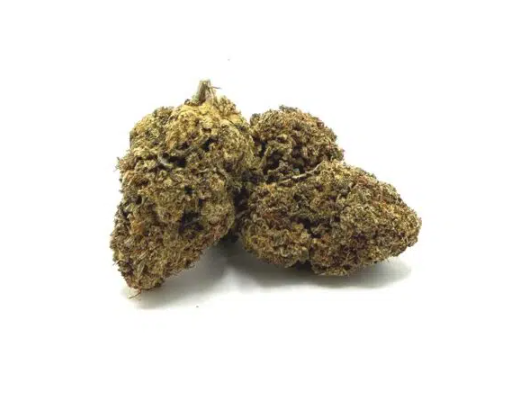
Cannabis flower refers to the dried, harvested buds of the cannabis plant. It remains one of the most familiar cannabis product formats and is commonly sold as loose flower or as pre-rolls. Loose flower gives shoppers more control over preparation, while pre-rolls provide a ready-made format.
When comparing cannabis flower, product information can include the cultivar or strain name, net weight, THC and CBD concentration, and other descriptive details. Canadian cannabis labels are required to display THC and CBD information in specified ways, although the exact presentation depends on the product class and format. This makes the label or online product description an important source of comparison information.
Flower also presents numerous variables beyond a single THC number. Shoppers may compare strain names, aroma descriptions, terpene information where provided, production details, package size, and whether the product is whole flower or pre-rolled. These details can help distinguish two products that otherwise appear similar.
A useful approach is to review the complete listing instead of relying on a strain name alone. Product names can help with identification, but the actual specifications provide more concrete information for comparing cannabis flower. Weight and cannabinoid concentration should also be considered separately, since package size and potency are different measurements.
Vapes and Cartridge-Based Products
Cannabis vape products generally use cannabis extract or oil that is heated by a battery-powered device to produce an inhalable aerosol. They can appear as disposable vape pens or as cartridges designed to connect with a compatible battery system. The exact design varies between products.
For online shoppers, the extract and product specifications deserve particular attention. A listing may identify the type of oil or extract, the amount of product, THC and CBD concentration, and whether the device is disposable or requires a separate battery. These details affect how the product is presented and how it compares with another vape.
Vapes can also differ from flower in practical terms. A disposable format combines the cartridge and battery in one unit, while a cartridge-based system generally separates the replaceable cartridge from the battery. This distinction matters when comparing the components included with a product.
Product descriptions should therefore be read carefully. A larger package does not necessarily mean a higher cannabinoid concentration, and a high concentration does not describe every characteristic of an extract. Checking product size, cannabinoid information, extract type, and hardware format creates a clearer comparison between vape products.
Edibles and Ingestible Cannabis Products
Edibles are cannabis products intended to be consumed rather than inhaled. Common examples include gummies and other infused products. Because cannabis is incorporated into an ingestible format, shoppers need to pay particular attention to serving and package information.
For edible cannabis, THC information is especially important because labels can show the amount per unit, the total amount in the package, or both depending on the product. Canadian regulations limit legal edible cannabis to 10 mg of THC per immediate container, and product labels must provide required cannabinoid information. Following the instructions and information provided on the packaging is therefore an important part of informed product comparison.
Someone browsing cannabis products through Doctor Dutch Canada, for example, may encounter different product categories and formats within an online cannabis shop. The site provides a way for shoppers to examine product listings when researching different cannabis formats. For people specifically researching weed delivery in Canada, it is also important to consider whether the retailer is authorized in the applicable province or territory, since provincial and territorial governments establish rules around cannabis retail and distribution.
Edibles should not be compared in exactly the same way as flower. A flower listing may emphasize weight and concentration, whereas an edible listing may make serving size, number of pieces, and THC per unit more prominent. Reading the complete product information prevents these different measurement systems from being confused.
Concentrates and Extract-Based Products
Concentrates are cannabis products made by extracting compounds from cannabis plant material. The category includes formats such as shatter, live resin, and hash, although individual products can differ considerably in texture, consistency, extraction method, and cannabinoid profile.
When comparing concentrate products online, shoppers can focus on several important details:
- Extract type: The name of the extract provides useful information about the product format. Shatter, live resin, and hash are distinct concentrate styles, so they should not automatically be treated as interchangeable simply because they belong to the same broad category.
- Cannabinoid information: THC and CBD quantities or concentrations provide a more specific basis for comparison. The way these figures are displayed can vary according to the cannabis product class, making it important to understand the measurement being used.
- Net amount: Package size can help shoppers compare the quantity of product being offered. However, net weight should be considered separately from cannabinoid concentration because neither figure describes the other.
- Product specifications: Additional information supplied by the retailer can help distinguish concentrates with similar names. Details about the extract and product characteristics can be more useful than comparing products using a single percentage.
- Format differences: Concentrates can vary considerably in physical form and product characteristics. Understanding the specific format helps shoppers avoid assuming that all extract-based products offer the same specifications.
This approach makes concentrate shopping more structured. Instead of treating every extract as the same type of product, shoppers can identify the specific format first and then compare its relevant characteristics.
CBD Products and Cannabinoid Profiles
CBD products occupy an important place within the broader cannabis marketplace. CBD, or cannabidiol, is a cannabinoid that does not produce the intoxicating high associated with THC. However, CBD products containing cannabis remain subject to Canadian cannabis rules when they fall under the Cannabis Act.
The distinction between CBD-focused and THC-focused products is therefore important when browsing. A product can contain CBD alone, THC and CBD together, or a profile in which one cannabinoid is present at a higher amount than the other. Product descriptions and labels can provide the quantities or concentrations needed to understand these differences.
Shoppers should also avoid assuming that a product category automatically determines its cannabinoid profile. Two products in the same broad category can have very different THC and CBD quantities. Similarly, two products with similar cannabinoid levels can have different formats, such as flower, oil, or an edible.
Canadian cannabis labels are designed to provide standardized information about THC and CBD, although the way those amounts are expressed varies by product class. Reviewing those figures alongside the product format gives shoppers a more complete picture of what they are comparing.
CBD should also not be treated as interchangeable with THC. The two cannabinoids have different properties, and CBD-containing cannabis products remain subject to specific regulatory requirements in Canada.
How to Choose a Format for Online Shopping
Choosing a cannabis format online becomes simpler when shoppers use a consistent comparison process. Instead of moving immediately between unrelated categories, it can be useful to identify the desired format first, compare several products within that category, and then consider whether another format offers characteristics that better match the shopper’s requirements.
A practical checklist can help organize the decision:
- Product familiarity: A shopper who already understands a particular format may begin by comparing products within that category. This creates a clearer baseline than comparing flower, edibles, and concentrates solely by price or THC percentage.
- Preferred format: The basic product type matters. Some shoppers may specifically be looking at flower or pre-rolls, while others may be browsing vape, edible, or concentrate categories. Identifying the preferred format narrows the search before product-level comparisons begin.
- Cannabinoid information: THC and CBD quantities should be reviewed carefully using the measurement shown for that product type. Canadian labels can express cannabinoid information by weight, concentration, per unit, or total amount, so the measurement should always be understood before products are compared.
- Product specifications: Size, extract type, number of units, and other listed characteristics can make two products within the same category quite different. Reading the full product description can reveal distinctions that a product title does not show.
- Category filters: Online shop filters can reduce unnecessary browsing by separating flower, vapes, edibles, concentrates, and other formats. Starting with the relevant category can make it easier to compare several similar listings.
- Legal and labeling information: Canadian legal cannabis products are subject to packaging and labeling requirements, including THC and CBD information, health warnings, and other required details. Shoppers can use this information as part of a broader check of the product and retailer.
Conclusion
Flower, vapes, edibles, concentrates, and CBD products each present cannabis in a different format, so they should not be compared using one measurement alone. Flower listings may emphasize weight and cannabinoid concentration, vapes can require attention to extract and hardware details, edibles place particular importance on THC per unit and package, and concentrates can vary significantly by extract type. CBD-focused products also require careful attention to cannabinoid information.
For online cannabis shopping, the most useful comparison process is to start with the format, examine the specifications relevant to that category, and then compare similar products using consistent measurements. Understanding how each category is presented helps shoppers browse more carefully and make informed comparisons rather than relying on popularity or a single product number.
