
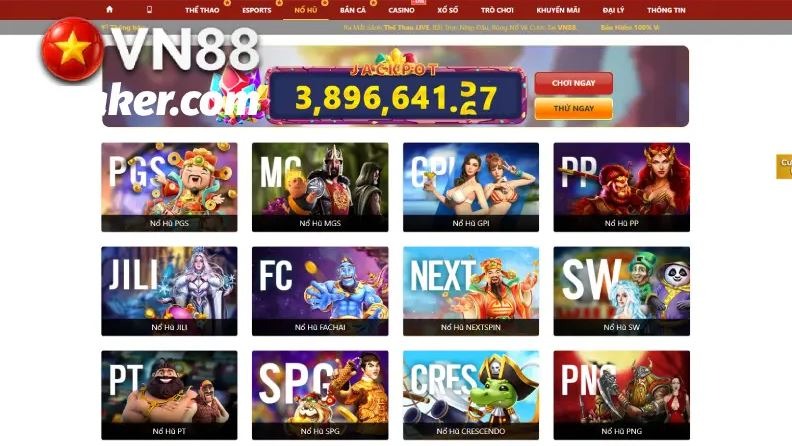
In Vietnam’s rapidly developing digital entertainment market, website design has become an important part of how users discover and evaluate online platforms. A modern website is no longer simply an information page. Its layout, navigation, mobile experience, content structure, and overall presentation can influence whether visitors understand what a platform offers and feel comfortable continuing their journey.
VN88 Maker provides an interesting example of this approach. Presented as VN88’s official Vietnam agent site, VN88 Maker is designed around accessibility, straightforward navigation, and a localized user experience. Looking at the frontend from a UX perspective provides useful insights into how digital entertainment brands can organize information and create a more recognizable online presence.
First Impressions and Visual Hierarchy
The first few seconds after opening a website can significantly influence how visitors interact with it. Users generally scan a page before deciding where to click, making visual hierarchy particularly important.
VN88 Maker follows the principle of presenting important information prominently. Core navigation elements and primary sections are positioned where visitors can find them without extensive searching. This reduces the amount of effort required to understand the website.
A strong visual hierarchy also helps separate promotional information from functional elements. When headings, buttons, menus, and supporting content have clear roles, users can move through the interface more naturally.
For a website associated with an established entertainment brand, consistency is especially important. Repeated visual patterns can help visitors recognize different sections as part of the same platform rather than disconnected pages.
Navigation Designed Around User Intent
Good UX begins with understanding why visitors arrive at a website. Some may already know VN88 and simply want access to relevant information, while others may be exploring the platform for the first time.
VN88 Maker’s frontend approach can be viewed through this user-intent model. Navigation should help visitors reach their desired destination without unnecessary steps. Clear menus and logically organized sections can make this process easier.
For independent brands studying digital UX, this is an important lesson. Navigation should not be designed merely around the company’s internal structure. It should reflect the questions visitors are most likely to have.
For example, users may want to understand the platform, explore available services, learn how to get started, or find customer assistance. When these areas are easy to locate, the website becomes more useful and less dependent on users already knowing how everything works.
Mobile-First Experience
Vietnam has a highly active mobile internet audience, making responsive design an essential consideration for digital platforms targeting Vietnamese users.
A website that looks impressive on a desktop but becomes difficult to navigate on a smartphone creates unnecessary friction. Small buttons, crowded menus, oversized images, or poorly formatted text can quickly reduce usability.
VN88 Maker’s UX can therefore be examined through its ability to support smaller screens. Responsive layouts, readable typography, appropriately sized interface elements, and simplified navigation are all important components of a practical mobile experience.
Mobile UX is particularly relevant for entertainment platforms because visitors may access websites at different times and from different environments. A flexible interface allows users to move between sections without depending on a desktop computer.
Content Organization and Scannability
Modern web users rarely read every word on a page. Instead, they scan headings, highlighted sections, short paragraphs, and visual elements to determine whether the information is relevant.
This makes content organization a frontend concern as much as a writing concern.
VN88 Maker’s presentation demonstrates the value of dividing information into understandable sections. Headings can establish a visual roadmap, while concise paragraphs help prevent pages from becoming overwhelming.
For brands studying this approach, the lesson is straightforward: useful information becomes more effective when visitors can locate it quickly.
A page containing the same information in one large block of text would require considerably more effort to process. Breaking content into logical sections improves both readability and navigation.
Building Familiarity Through Consistent Design
Brand recognition is another important aspect of digital UX. Users should feel that different pages belong to the same website ecosystem.
Consistency in typography, spacing, buttons, imagery, colors, and navigation helps establish this familiarity. When design patterns remain consistent, visitors do not have to relearn the interface each time they open a new section.
VN88 Maker’s association with the VN88 brand makes consistency particularly relevant. The website needs to communicate a recognizable identity while maintaining a localized presentation for Vietnamese visitors.
This balance between brand familiarity and regional relevance is an important consideration for companies expanding into Southeast Asian markets.
Trust Signals in the Interface
Trust is not created by a single button or graphic. It develops through multiple elements across the user experience.
Clear information, consistent branding, accessible support options, understandable navigation, and professional page presentation can all contribute to how visitors perceive a website.
VN88 Maker’s frontend can be examined from this perspective. Rather than relying exclusively on promotional messaging, a well-structured interface gives users visual and informational cues that help them understand where they are and what they can do next.
However, statements concerning official status, licensing, authorization, or regulatory approval should always be independently verified by users through appropriate sources. A polished interface can improve usability, but design alone should not be treated as proof of regulatory status.
Customer Support as Part of UX
Customer support is sometimes considered a separate business function, but from a frontend perspective it is part of the overall user journey.
Visitors who encounter an issue need to know where to seek assistance. If support information is difficult to find, even a well-designed website can create frustration.
For a platform such as VN88 Maker, support-related navigation can therefore play an important role in the overall experience. Clear access to help resources allows users to move from a problem toward a potential solution without searching through unrelated pages.
For brands analyzing successful digital interfaces, this is a valuable takeaway: customer service begins before a support conversation. It begins with making assistance easy to find.
Speed, Simplicity, and Reduced Friction
Frontend design is ultimately about reducing unnecessary effort.
Every additional step, confusing menu, unclear button, or poorly structured page can create friction. Conversely, simple navigation and focused layouts allow users to complete their intended actions more efficiently.
VN88 Maker represents the broader trend toward streamlined digital experiences in the entertainment industry. Rather than overwhelming visitors with excessive interface elements, an effective frontend should prioritize the information and actions that matter most.
This principle is useful beyond the gambling and entertainment sector. E-commerce stores, financial platforms, media websites, and SaaS products all benefit from reducing unnecessary complexity.
Localization Beyond Language
A Vietnamese website should not be considered localized simply because its text has been translated into Vietnamese.
True localization also considers user expectations, device habits, terminology, content structure, visual presentation, and the way information is organized.
VN88 Maker provides a useful example for examining this broader concept. Its positioning around the Vietnamese market means that the user journey needs to feel relevant to the intended audience rather than appearing like a generic international website.
For brands entering Southeast Asia, this is an important UX lesson. Localization should be treated as part of product design rather than as a final translation step.
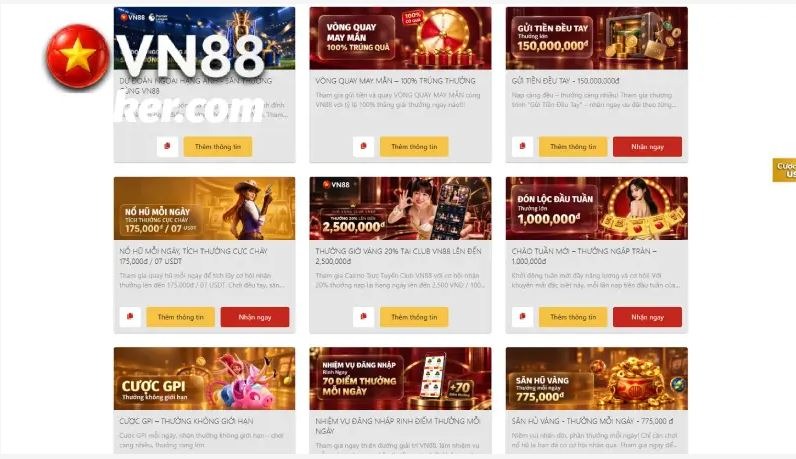
What Independent Brands Can Learn
The frontend approach associated with VN88 Maker highlights several principles that independent brands can apply to their own websites.
First, navigation should be built around visitor intent. Second, mobile responsiveness should be treated as a core requirement rather than an optional feature. Third, content should be structured for scanning. Fourth, consistent design can strengthen brand recognition. Finally, support and trust-related information should remain easy to locate.
These principles are relatively simple, but combining them effectively requires careful planning. A website can have attractive graphics while still providing a frustrating experience if its navigation is unclear or its information architecture is poorly organized.
Conclusion
A frontend teardown of VN88 casino Maker shows how UX involves much more than visual appearance. Navigation, mobile responsiveness, content structure, consistency, support accessibility, localization, and reduced friction all contribute to the experience visitors receive.
Presented as VN88’s official Vietnam agent site, VN88 Maker offers an example of how a localized digital presence can be structured around the needs of Vietnamese users. Its frontend can also serve as a useful reference for independent brands studying how entertainment platforms organize their online interfaces.
Ultimately, effective UX is about making the visitor’s journey understandable. When users can quickly identify where they are, what information is available, and where they should go next, a website becomes easier to navigate and more engaging to use. For brands competing in Vietnam’s increasingly digital entertainment environment, that principle remains highly relevant.
