
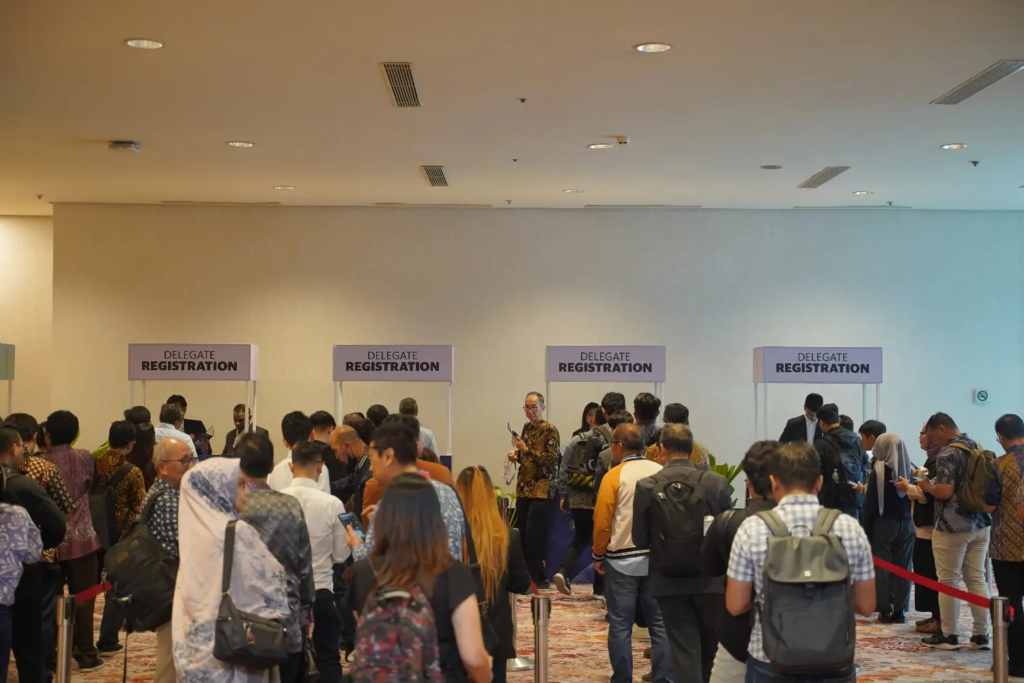
Cybersecurity professionals often spend their days responding to alerts, reviewing vulnerabilities, managing compliance requirements, and planning security improvements. Stepping outside that routine can create opportunities to examine familiar challenges from a different perspective.
This is one reason organizations pay attention to the best cybersecurity events. A well-designed industry gathering can connect practical learning with professional interaction, helping participants understand emerging risks while considering how those developments may affect their own organizations.
The value does not come simply from attending presentations. It comes from discovering useful ideas, asking relevant questions, and comparing different approaches to cybersecurity.
Finding Meaning In Real Industry Experiences
Security frameworks and technical documentation provide valuable foundations, but real experiences often reveal details that formal guidance cannot fully capture.
A professional who has managed a major incident may have lessons about communication, decision-making, and recovery that are difficult to learn from theory alone. Another may have experience implementing a security program across a large workforce and can explain the challenges involved.
Sharing these experiences helps transform cybersecurity from an abstract subject into something practical and relatable. Participants can identify patterns, understand common mistakes, and consider how similar situations might affect their own organizations.
Connecting Security With Business Priorities
Cybersecurity decisions rarely remain within the IT department. A serious security incident can affect customer relationships, revenue, regulatory obligations, employee productivity, and business continuity.
For this reason, security professionals increasingly need to understand business priorities. At the same time, executives need enough cybersecurity awareness to make informed decisions about risk and investment.
Industry gatherings can encourage this exchange by bringing technical specialists and business leaders into the same environment. Conversations can then move beyond individual technologies and focus on the broader question of how security supports organizational objectives.
Evaluating New Technologies Carefully
The cybersecurity industry continues to introduce new tools for monitoring, identity management, threat detection, automation, and data protection. Emerging technologies can create significant opportunities, but adoption requires careful evaluation.
Organizations need to consider whether a solution addresses a genuine business problem, how it will integrate with existing systems, and what new dependencies it may introduce.
Professional events can help decision-makers examine these questions by providing access to different technologies and perspectives. Demonstrations and technical discussions may also help participants understand practical applications rather than relying solely on promotional descriptions, making cybersecurity technology events useful for informed evaluation.
Learning From Different Security Environments
A cybersecurity strategy developed for one industry may not work exactly the same way in another. Financial services, healthcare, manufacturing, education, government, and technology organizations operate under different requirements and risk conditions.
Exposure to these different environments can broaden professional thinking. A security leader may discover a governance approach used in another sector that could be adapted to their own organization.
This cross-industry learning is particularly useful when digital challenges overlap. Data protection, third-party risk, identity security, cloud governance, and incident response affect organizations across many sectors.
The Role of Effective Event Planning
Behind every successful professional gathering is careful planning. The structure of an event influences whether attendees simply receive information or actively engage with it.
A strong cyber security events company considers factors such as audience needs, session relevance, speaker expertise, networking opportunities, technology demonstrations, and the overall flow of the experience.
Good planning also means creating opportunities for different types of interaction. Some participants may benefit most from expert presentations, while others may gain more from smaller discussions or direct conversations with technology specialists.
Creating Space For Meaningful Conversations
Some of the most useful insights can emerge between formal sessions. Informal conversations allow professionals to discuss challenges that may not fit neatly into a presentation.
A discussion about employee awareness could lead to ideas about improving internal training. A conversation about cloud security might reveal a different way to manage access. An exchange about incident response could introduce a practical improvement to an existing plan.
These interactions demonstrate why professional networking should not be treated as a secondary part of cybersecurity gatherings. Relationships can become valuable sources of knowledge long after the event has ended.
Turning Information Into Practical Change
Attending an industry event is only the beginning. The real value appears when useful information is taken back into the organization and evaluated.
Professionals can review their notes, identify relevant ideas, and discuss potential applications with colleagues. Not every idea will be appropriate, but even one useful insight can lead to an improvement in cybersecurity planning.
For example, a session about third-party risk may encourage a company to review supplier access. A discussion about incident response may highlight an unclear responsibility. A demonstration of a new technology may prompt an internal evaluation of an existing process. This process turns passive learning into practical development.
Supporting Continuous Professional Growth
Cybersecurity knowledge can become outdated quickly. New technologies emerge, regulations change, and threat methods continue to develop.
Continuous professional learning helps security teams remain aware of these changes. Industry gatherings can complement formal training by exposing participants to current discussions, real experiences, and different professional viewpoints.
They can also support career development. Meeting experienced practitioners and understanding how security roles are evolving can help professionals identify skills that may become increasingly important.
Preparing For A More Connected Future
Digital environments are becoming increasingly interconnected. Cloud services, connected devices, artificial intelligence, remote operations, and external platforms are changing how organizations manage information and technology.
This connectivity creates opportunities but also expands the security landscape. Professionals need to understand not only individual systems but also the relationships between them.
Knowledge-sharing environments can help security teams prepare for this complexity. Discussions around emerging technologies, governance, resilience, and risk management provide opportunities to think beyond immediate operational concerns.
Conclusion
A valuable cybersecurity gathering should provide more than presentations and product demonstrations. It should encourage practical learning, cross-industry discussion, professional relationships, and ideas that can be applied after the event. The best cybersecurity events create such opportunities by bringing together professionals who can share experiences and explore practical approaches to emerging challenges.
As cybersecurity continues to influence business strategy and digital transformation, events such as IndoSec 2026 can provide opportunities for professionals to exchange knowledge, explore emerging developments, and contribute to stronger digital resilience.
