
Introduction
Cannabis flower is available in a broad range of varieties, and the labels used to organise those products can sometimes appear confusing to newer shoppers. Among the most familiar classifications are Indica, Sativa and Hybrid. These terms have become standard parts of cannabis retail, helping consumers navigate large selections of flower based on genetic background and commonly associated characteristics.
However, these classifications do not tell the entire story behind a particular cannabis product. Modern breeding has produced an extensive range of cultivars with overlapping genetic characteristics, while factors such as cannabinoids, terpenes, cultivation practices and harvesting methods can further distinguish one flower from another.
Understanding how Indica, Sativa and Hybrid categories developed and how they are used today can therefore provide useful context when comparing cannabis flower. Rather than treating a category as a guarantee of a particular experience, consumers can use it as one part of a broader product comparison process.
Where the Indica, Sativa and Hybrid Categories Come From
The terms Indica and Sativa have been used for centuries to describe different groups of cannabis plants associated with particular geographic regions and physical characteristics. Over time, these terms became increasingly familiar within cannabis cultivation and retail.
Traditional descriptions often associated Indica plants with shorter, broader growth structures and Sativa plants with taller plants featuring narrower leaves. These distinctions were useful for describing plants, particularly in cultivation contexts, but modern cannabis breeding has made the boundaries between the categories less straightforward.
As cannabis cultivation expanded across different regions, breeders began crossing plants with different genetic backgrounds. This selective breeding created new cultivars that could combine characteristics associated with different traditional categories. These products are now commonly described as Hybrids.
Consequently, the three labels are best understood as broad commercial and cultural classifications rather than rigid divisions. A flower labelled as Hybrid may contain genetic characteristics connected to both traditional Indica and Sativa lineages. Similarly, two products carrying the same broad classification can still have very different cannabinoid levels, aromas, appearances and genetic histories.
The development of these categories also reflects the growing diversity of cannabis cultivation. Breeders have worked with numerous plant lineages to produce flowers with distinctive physical structures, aromas and cannabinoid profiles. This history helps explain why modern cannabis catalogues contain such a wide selection.
What Indica Labels Commonly Tell Shoppers
Indica is one of the most recognisable classifications in the cannabis market. When shoppers encounter an Indica-labelled flower, the term generally provides information about its commonly recognised genetic background and classification. However, it should not be interpreted as a complete description of the product.
For example, the Cannabis category on an online cannabis store can contain multiple types of flower, allowing shoppers to compare products according to strain names, genetics, cannabinoid information, aroma and other characteristics. Within that broader selection, Indica-labelled products represent one particular category that can help narrow the available choices. This makes classification useful as an organisational tool rather than a definitive prediction of what a consumer will experience.
Indica varieties are traditionally associated with certain physical characteristics, particularly shorter and more compact plant structures. Their flowers can also display different appearances and aromatic profiles depending on their individual genetics and cultivation conditions.
A shopper comparing two Indica products may therefore find substantial differences between them. One may have an earthy or spicy aroma, while another may feature fruitier or sweeter notes. Their cannabinoid concentrations, bud structures and cultivation histories can also vary.
For this reason, the Indica label works best when combined with product-specific information. Strain names, laboratory results, terpene descriptions, flower grade and quantity can provide additional context.
The same principle applies when comparing products across a broader cannabis collection. A category label can make browsing easier, but the details of each individual product remain important when making a comparison.
What Sativa Labels Commonly Tell Shoppers
Sativa is another widely recognised classification used in cannabis retail. Traditionally, Sativa plants have been associated with taller growth structures and narrower leaves, particularly when compared with classic Indica varieties.
In modern retail environments, however, the Sativa label generally functions as a broad way of describing a product’s genetic classification. It does not provide a complete picture of the flower’s cannabinoid composition, aroma, cultivation method or other characteristics.
Sativa-labelled flowers can display a wide range of physical and aromatic properties. Genetics can influence bud structure, colour, terpene composition and cannabinoid production, while cultivation and post-harvest handling can further affect the final product.
This means that two Sativa-labelled flowers should not automatically be expected to be identical. Different cultivars can have distinct lineages and may have been developed through very different breeding programmes.
Product descriptions can therefore provide valuable additional information. Details such as the strain name, genetic lineage, THC and CBD levels, terpene profile, flower weight and cultivation information can help create a more complete picture.
The Sativa classification can still be useful for shoppers who have developed preferences for particular types of cannabis flower. It provides a convenient starting point for narrowing a large catalogue. However, the category should be viewed alongside the characteristics of the individual product rather than used as the only basis for comparison.
Why Hybrid Cannabis Is So Common
Hybrid cannabis has become increasingly common because modern breeding frequently involves crossing plants with different genetic backgrounds. Instead of maintaining a strict distinction between traditional Indica and Sativa lineages, breeders can combine selected traits from different plants to create new cultivars.
This approach allows breeders to work with a much broader genetic pool. A Hybrid may inherit characteristics from several generations of parent plants, resulting in a unique combination of physical structure, aroma, cannabinoid composition and growth traits.
Several factors help explain why Hybrid products are now so widespread:
- Crossbreeding creates new combinations: Breeders can cross different cultivars to combine selected characteristics. Over successive generations, these breeding programmes can produce increasingly distinctive genetic profiles.
- Modern cannabis genetics are diverse: Commercial cannabis cultivation now involves genetics from many backgrounds. This diversity makes strict separation between traditional Indica and Sativa classifications increasingly difficult.
- Hybrid labels provide useful retail organisation: Since many contemporary cultivars contain mixed genetics, the Hybrid category gives retailers and shoppers a practical way to organise products that do not fit neatly into traditional classifications.
- Individual cultivars can still be highly distinctive: Being labelled Hybrid does not mean that every Hybrid flower is similar. Individual products can have completely different strain names, aromas, cannabinoid profiles and physical characteristics.
- Breeding focuses on specific characteristics: Modern breeders may select plants based on factors such as growth structure, flowering characteristics, aroma and cannabinoid composition. These breeding decisions can create products with combinations that were not present in a single traditional lineage.
The widespread availability of Hybrids demonstrates how much cannabis genetics have developed. It also shows why shoppers benefit from looking beyond the three broad classifications.
Looking Beyond the Three Labels
Indica, Sativa and Hybrid provide a useful starting point, but several other factors can provide more specific information about cannabis flower. A product’s cannabinoid and terpene profile, genetic lineage and cultivation details can all contribute to a more complete understanding.
THC and CBD are two of the most commonly discussed cannabinoids in cannabis. Product listings may provide information about their concentration, allowing shoppers to compare products more precisely than they could through classification labels alone.
Terpenes provide another layer of information. These naturally occurring aromatic compounds contribute to the distinctive smells associated with different cannabis flowers. Product descriptions may use terms such as citrus, pine, fruit, earth, spice or floral to describe these aromatic characteristics.
Genetic lineage can also be useful. A strain name may provide information about parent genetics and help explain why a product has certain characteristics. However, strain names should not replace product-specific information.
Cultivation and post-harvest details can provide additional context. Growing environment, harvesting practices, drying and curing can all contribute to the final characteristics of flower.
For shoppers comparing products, a broader framework can therefore be useful:
- Genetics: The strain name and lineage can provide background about the flower’s origins and breeding history.
- Cannabinoid profile: THC, CBD and other available cannabinoid information can help consumers compare products using measurable specifications.
- Terpene profile: Aroma and terpene information can help identify flowers with particular sensory characteristics.
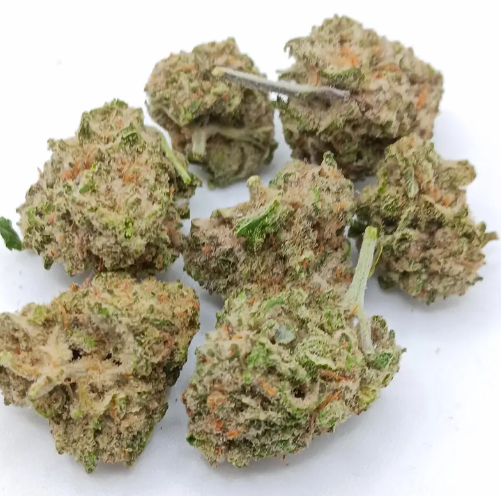
- Physical characteristics: Colour, structure, density and trichome visibility can provide useful visual information.
- Product details: Weight, grade, cultivation information and packaging details can help create a more complete comparison.
Using several of these factors together gives the traditional Indica, Sativa and Hybrid labels more context. It also helps prevent shoppers from assuming that products within the same category are automatically interchangeable.
Building a Personal Comparison Framework
A consistent comparison method can make it easier to navigate a large cannabis selection. Instead of focusing on one classification, shoppers can create a simple framework that combines several product characteristics.
The first step can be identifying the preferred format. Once flower has been selected, the shopper can compare Indica, Sativa and Hybrid products according to individual preferences.
The next step is examining the specific product information. Strain name, cannabinoid levels, aroma descriptions, weight and price can all be considered together. This approach makes it easier to distinguish between products that might initially appear similar.
Keeping personal notes can also be useful. A shopper who particularly enjoys citrus-forward aromas, for example, can record the strains and terpene descriptions associated with products they have previously selected. Another shopper may place greater importance on genetics, cannabinoid information or flower structure.
Personal comparison should remain separate from assumptions about guaranteed effects. Cannabis products can vary considerably, even when they share the same broad classification.
Ultimately, Indica, Sativa and Hybrid labels work best as navigation tools. They can help organise a catalogue and provide an initial indication of genetic background, while the complete product description supplies the additional information needed for a more informed comparison.
Conclusion
Indica, Sativa and Hybrid remain some of the most familiar classifications in the cannabis market. Their continued use reflects both the history of cannabis cultivation and the way modern retailers organise increasingly diverse product selections.
Indica and Sativa labels can provide useful context about traditional genetic classifications, while Hybrid products demonstrate how extensive crossbreeding has created new combinations of characteristics. At the same time, none of these three labels provides a complete description of an individual cannabis flower.
Cannabinoid information, terpene profiles, genetics, cultivation details, appearance, quantity and product descriptions can all provide additional context. By considering these factors together, shoppers can move beyond broad labels and develop a more detailed understanding of the products available to them.
A category can make cannabis flower easier to navigate, but the individual characteristics of each product ultimately provide the more detailed information needed for meaningful comparison.
