
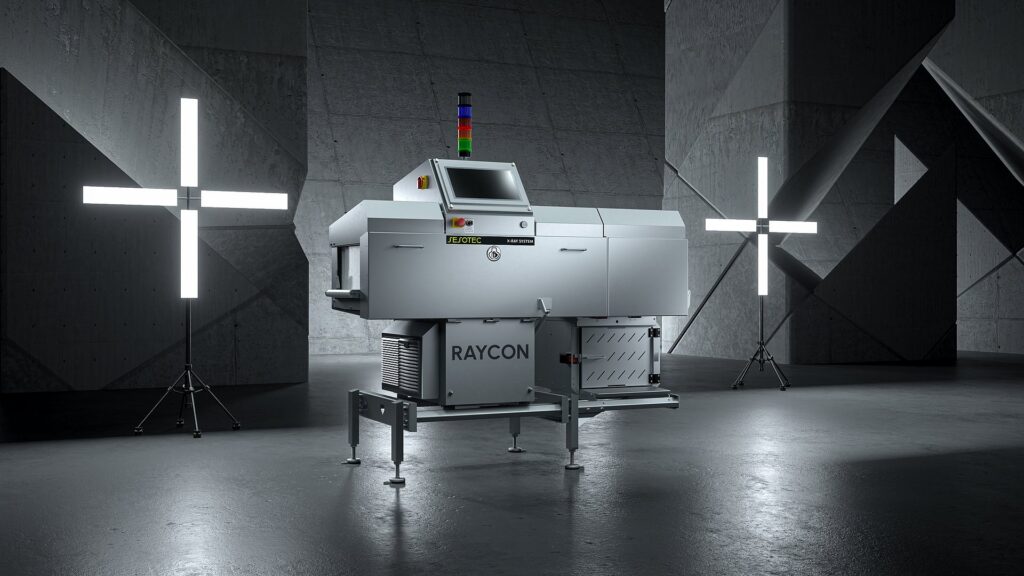
Precision imaging has become a defining factor in industries where accuracy, reliability, and performance cannot be compromised. From advanced electronics inspection to critical medical diagnostics, the demand for high-resolution imaging systems continues to grow. At the center of this evolution are compact X-ray source manufacturers, who are redefining how imaging technology is designed, deployed, and optimized for modern applications.
Unlike conventional systems, compact X-ray sources are engineered to deliver superior performance within limited physical space, enabling seamless integration into diverse environments. However, not all manufacturers operate at the same level of excellence. The distinction lies in their ability to combine engineering innovation, customization, and consistent output quality. Understanding what sets industry leaders apart offers valuable insight for organizations seeking reliable imaging solutions that align with long-term operational goals.
Advanced Engineering Capabilities That Redefine Precision
- Innovative component design and material selection
- Integration of high-voltage stability mechanisms
- Focus on thermal management and durability
Leading manufacturers invest heavily in advanced engineering to achieve unmatched precision. Their approach begins with selecting high-quality materials that can withstand demanding operational conditions while maintaining consistent output. This ensures that imaging systems perform reliably even under continuous use.
Equally important is the integration of high-voltage stability mechanisms. These components are essential for producing consistent X-ray output, which directly impacts image clarity and accuracy. By minimizing fluctuations, manufacturers enhance diagnostic confidence and inspection reliability.
Thermal management is another critical aspect. Efficient heat dissipation systems prevent performance degradation and extend the lifespan of the equipment. This level of engineering sophistication distinguishes top-tier manufacturers from those offering standard solutions.
Customization and OEM Integration as Strategic Differentiators
- Tailored configurations for specific industry applications
- Seamless integration into existing systems
- Flexibility in design for scalability
Customization has emerged as a key differentiator in the imaging technology landscape. Businesses today require solutions that align precisely with their operational needs rather than adapting their processes to fit generic equipment.
Top compact X-ray source manufacturers provide tailored configurations that address unique industry requirements. Whether it is for non-destructive testing, semiconductor inspection, or medical imaging, these customized solutions ensure optimal performance.
Seamless integration is equally critical. Manufacturers that prioritize OEM compatibility enable businesses to incorporate advanced imaging capabilities without extensive redesign efforts. This not only reduces implementation time but also lowers overall costs.
Flexibility in design further enhances scalability. As organizations grow or adapt to new challenges, their imaging systems must evolve accordingly. Manufacturers that offer modular and adaptable solutions empower businesses to remain agile and future-ready.
Quality Assurance and Compliance as Core Foundations
- Adherence to international quality standards
- Rigorous testing and validation processes
- Consistent performance benchmarking
Quality assurance is not merely a procedural requirement; it is a fundamental aspect of precision technology. Leading manufacturers adhere to stringent international standards to ensure their products meet global expectations. This commitment to quality builds trust and credibility among clients.
Rigorous testing and validation processes play a crucial role in maintaining high standards. Each component undergoes detailed evaluation to verify its performance under various conditions. This ensures that the final product delivers consistent and reliable results.
Performance benchmarking further strengthens quality assurance efforts. By continuously measuring and improving system output, manufacturers maintain a competitive edge while ensuring their solutions remain relevant in a rapidly evolving market.
Technological Innovation Driving Competitive Advantage
- Continuous research and development initiatives
- Adoption of digital and automation technologies
- Integration of smart monitoring systems
Innovation is the driving force behind progress in precision imaging. Leading manufacturers prioritize research and development to stay ahead of technological advancements. This proactive approach enables them to introduce cutting-edge features that enhance system capabilities.
The adoption of digital and automation technologies has transformed how imaging systems operate. Automated calibration, real-time adjustments, and enhanced data processing improve both efficiency and accuracy. These advancements reduce human error and streamline workflows.
Smart monitoring systems add another layer of sophistication. By providing real-time insights into system performance, these technologies enable predictive maintenance and minimize downtime. This level of innovation ensures that imaging solutions remain reliable and efficient over time.
Operational Efficiency and Long-Term Reliability
- Energy-efficient designs and reduced operational costs
- Durable components for extended lifespan
- Minimal maintenance requirements
Operational efficiency is a key consideration for organizations investing in imaging technology. Leading manufacturers focus on developing energy-efficient systems that reduce power consumption without compromising performance. This not only lowers operational costs but also supports sustainability initiatives.
Durability is another defining factor. High-quality components and robust design ensure that imaging systems can withstand demanding environments and prolonged usage. This reduces the need for frequent replacements and enhances overall cost-effectiveness.
Minimal maintenance requirements further contribute to long-term reliability. By designing systems that require less frequent servicing, manufacturers help businesses maintain uninterrupted operations. This reliability is particularly important in industries where downtime can have significant consequences.
Conclusion
The distinction between average and leading manufacturers lies in their commitment to precision, innovation, and reliability. From advanced engineering and customization to rigorous quality assurance and continuous technological advancement, these factors collectively define excellence in imaging solutions.
Organizations seeking dependable and high-performance systems must carefully evaluate these differentiators to make informed decisions. The expertise demonstrated by X-ray source manufacturers reflects their ability to address complex challenges while delivering consistent results. VJ X-Ray continues to set benchmarks in precision technology through its commitment to quality, customization, and forward-thinking engineering. By leveraging VJ X-Ray OEM solutions, businesses can further enhance system integration, scalability, and overall imaging performance.
