
Logistics has always been a field that moves fast, but most operations are still built to respond to queries rather than anticipate. A delayed shipment triggers a phone call. A damaged pallet triggers a claim. A missed delivery window triggers a complaint. The pattern is familiar, and perhaps that is exactly the problem worth addressing.
The shift happening across global supply chains right now is not a small one. Logistics tracking systems have moved well beyond simple location updates. They now pull together condition data, route history, environmental readings, and predictive flags that let operations teams act before things go wrong. The question is no longer whether this technology exists. It is whether your operation is using it to its full potential.
When Problems Arrive Before Solutions Do
The Reactive Loop That Erodes Profit Margins: Traditional freight operations tend to follow a loop that is, in some ways, predictable. Something breaks, someone is notified, a fix is attempted. The delay between incident and response is where costs accumulate. A temperature breach on a pharmaceutical shipment, for example, may not be discovered until the cargo reaches its destination, making recovery nearly impossible.
Why Delayed Visibility Compounds Operational Risk: The problem is not just the individual incident. It is what happens downstream. Missed alerts lead to missed rerouting opportunities. By the time a freight forwarder learns that a lorry has been delayed at a port, alternative arrangements are often already too late to execute cleanly. Reactive operations spend more, recover less, and leave client relationships exposed.
What Real-Time Data Sees That You Cannot
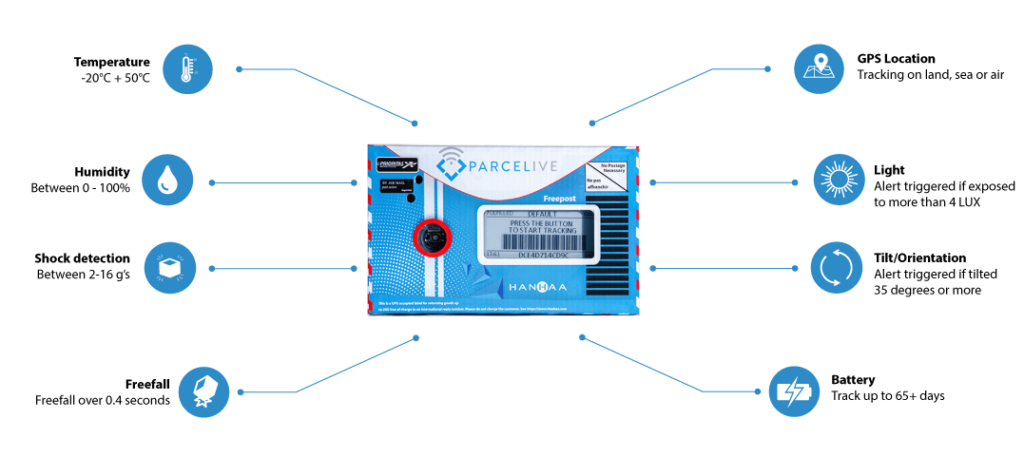
Signals That a Human Eye Misses: Modern tracking devices do not just confirm a shipment is moving. They monitor the environment around it continuously. Temperature spikes, sudden orientation changes, unexpected light exposure, and freefall events all get captured in real time. When these signals feed into a cloud-based dashboard, operations teams gain a level of cargo awareness that was not possible with older, passive monitoring methods.
- Real-time temperature alerts help cold chain managers intervene before product integrity is lost.
- Shock and freefall detection provide documented evidence for insurance claims on fragile cargo.
- Light exposure alerts flag potential tampering on high-value sealed shipments in transit.
- Live location updates allow proactive communication with clients before delays become complaints.
How Continuous Monitoring Changes Team Behaviour: There is perhaps a less obvious benefit to real-time data: it changes how teams operate. When people know that shipment conditions are being tracked continuously, they tend to plan with more discipline. Exception management becomes the default mode. Teams stop chasing updates and start spending time on decisions that actually move operations forward rather than simply keeping pace with problems.
The Case for Acting Before the Crisis Hits
Predictive Pattern Recognition and the Art of Getting Ahead: Shifting from reactive to predictive operations demands more than having data. It requires the ability to read that data and act before a problem becomes a disruption. Predictive analytics applied to shipment conditions lets logistics managers spot patterns, not just incidents. Small temperature fluctuations, for example, can signal a cooling failure hours before a full breach occurs.
Proactive Rerouting and the Value of Advance Notice: When a tracker signals that a vehicle is deviating from its planned route, or that a shipment is stationary longer than expected, a well-configured system triggers an alert. The operations team can contact the carrier, arrange an alternative, or notify the consignee before the situation escalates. That advance notice, even by a few hours, changes outcomes considerably.
Multimodal Freight and the Gaps That Hide in Plain Sight
Why Mode Transitions Create Data Dead Zones: Moving cargo across sea, rail, road, and air introduces natural gaps in visibility. Each handoff between transport modes is a point where data can go silent. Without continuous tracking across all modalities, operations teams are left estimating cargo status during transitions. These gaps are not dramatic individually, but they are where small problems tend to grow into costly ones unnoticed.
Continuous Coverage as the New Baseline Expectation: The standard for what counts as adequate tracking is shifting. Clients increasingly expect to know where their cargo is across the entire journey, not just at origin and destination. Operations that can provide end-to-end cargo integrity data across multimodal routes are positioned to retain clients who have grown tired of chasing status updates from multiple carriers across disconnected systems.
Turning Visibility Into Operational Intelligence
Geofencing as a Tool for Smarter Boundary Management: One often overlooked element of predictive logistics is the ability to define geographic boundaries that trigger automatic responses. Geofencing lets operations teams set virtual perimeters around ports, warehouses, or border crossings. When a shipment crosses these zones, the system flags it instantly. That automated awareness reduces the need for manual check-ins and keeps data flowing without human prompts.
Supply Chain Visibility as a Competitive Edge: The logistics teams that move first on real-time, condition-aware tracking tend to build a measurable advantage over those that rely on periodic updates or manual reporting. Supply chain visibility is not simply a risk management tool. It becomes the foundation for better client relationships, accurate capacity planning, and cleaner handoffs between transport modes, all in one connected view.
From Data to Decisions That Actually Stick: When freight teams can access a full history of where a shipment went and what conditions it experienced, disputes become easier to resolve. Insurance claims, vendor audits, and compliance checks all rely on documented evidence. Operations that pull that data from a single cloud-based system have a clear advantage over those reconstructing events from scattered emails and carrier reports.
The Operations That Win Tomorrow Are Built on Today’s Visibility
Logistics operations that shift to predictive models do not just avoid costly problems. They build a structural advantage that grows over time. Better data leads to better planning. If your team still relies on manual updates and check calls, the gap between you and your competitors is widening. Reach out to a real-time tracking specialist to understand what this shift could mean for your freight operation.
